
Country
India
Jagar Pratishthan
& Chloé Sharrock




-
Flooding in Maharashtra reveals the growing climate pressure on vulnerable rural communities. -
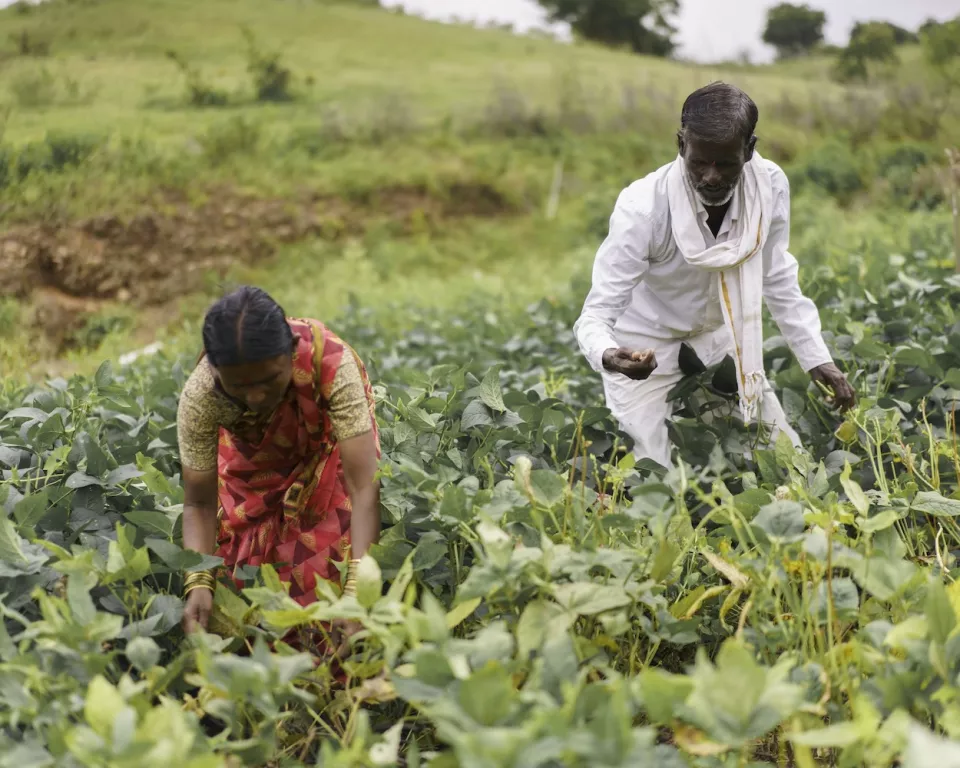
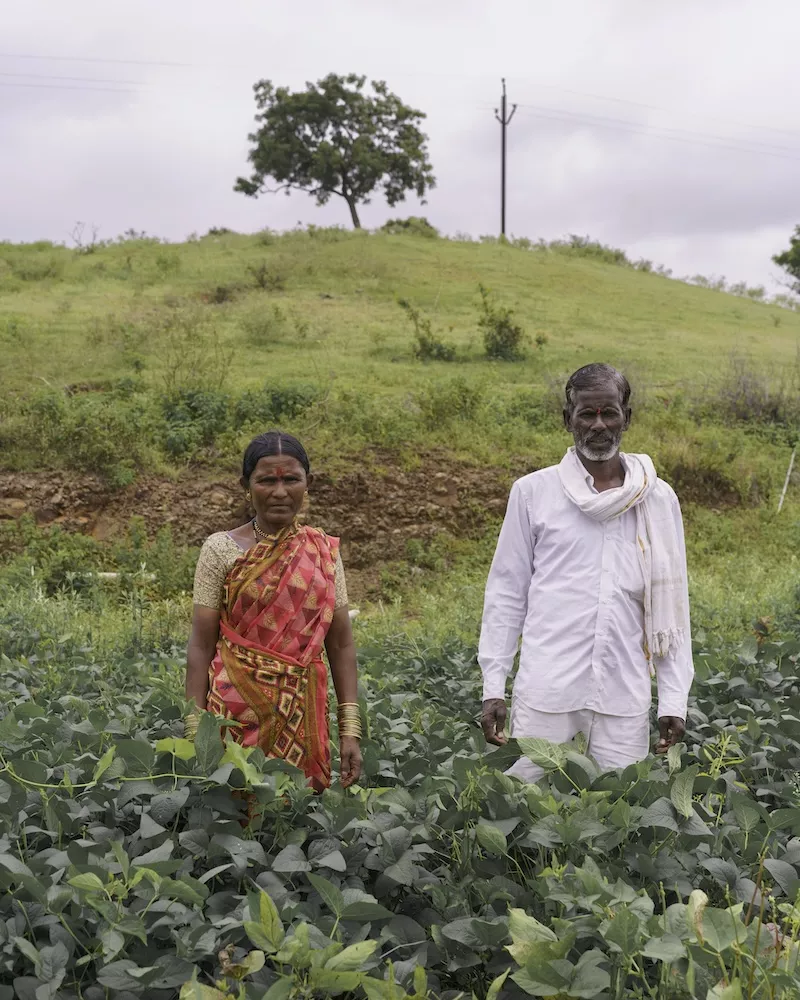
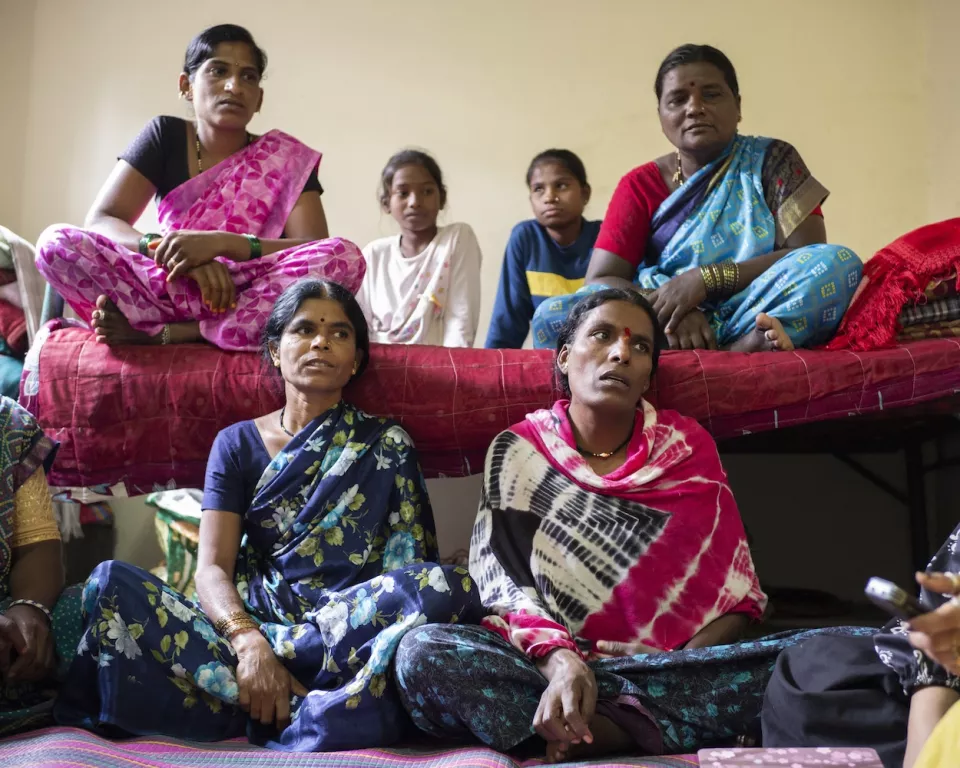
Dalit farmers Bahu Saheb and Anita can work only half the year, leaving them trapped in recurring debt. -
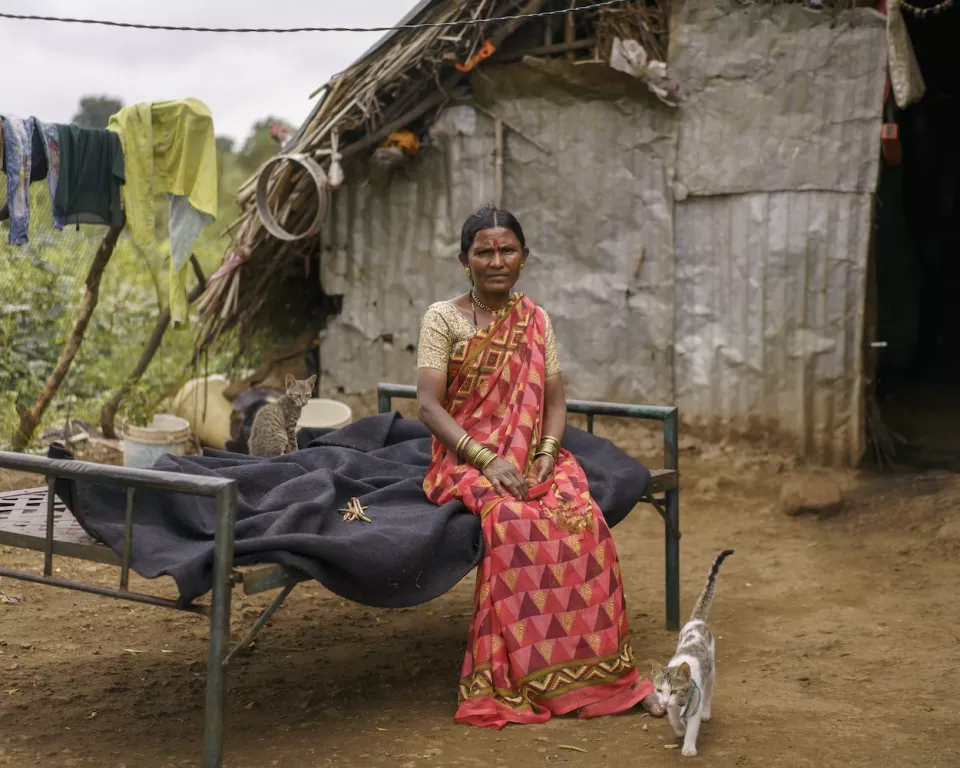
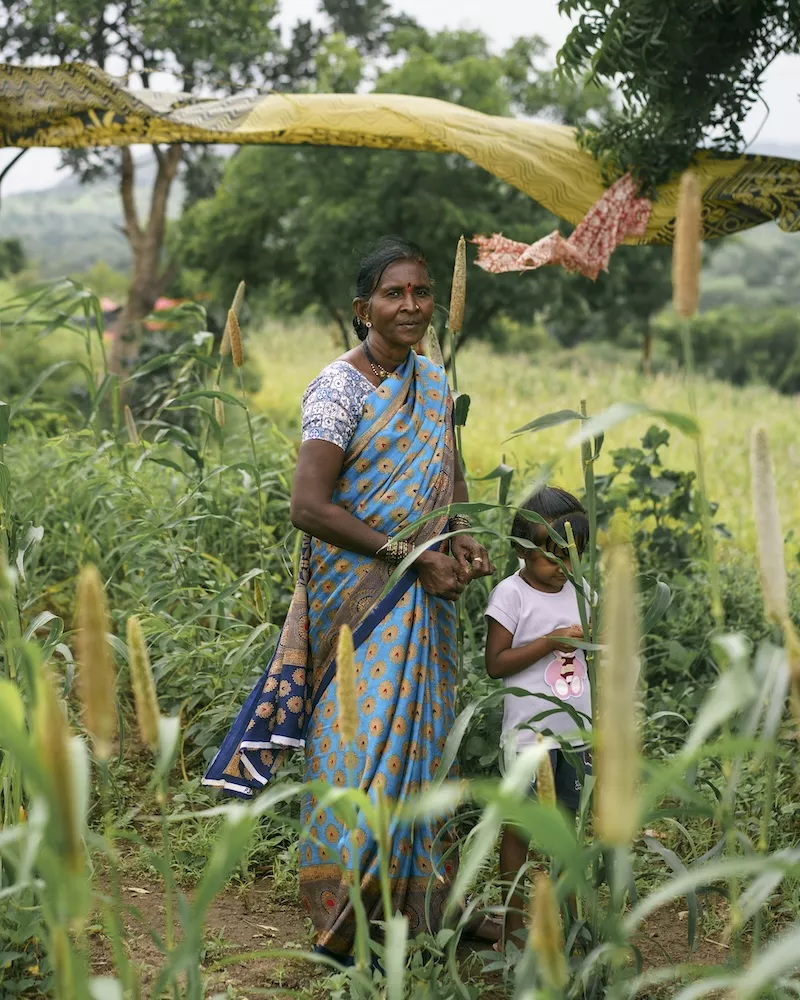
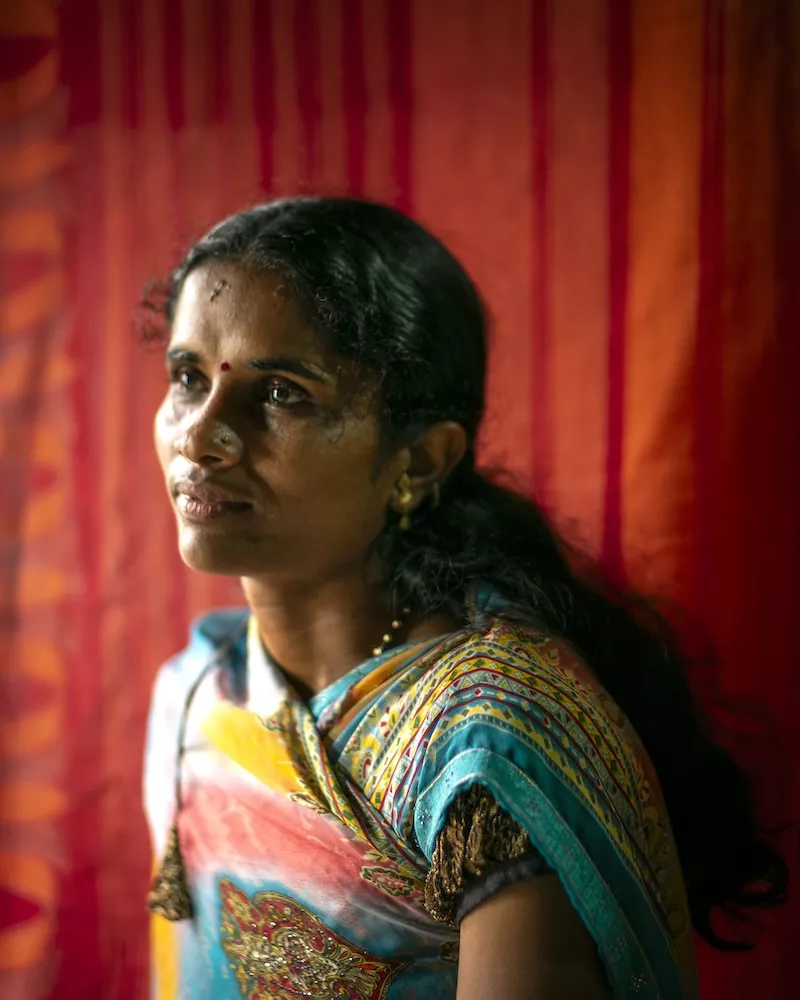
Suman faces constant debt as climate shocks limit her farming and Dalit discrimination blocks land rights. -
Bahu Saheb and Anita rely on unpredictable rains, deepening their economic insecurity as Dalits without land ownership. -
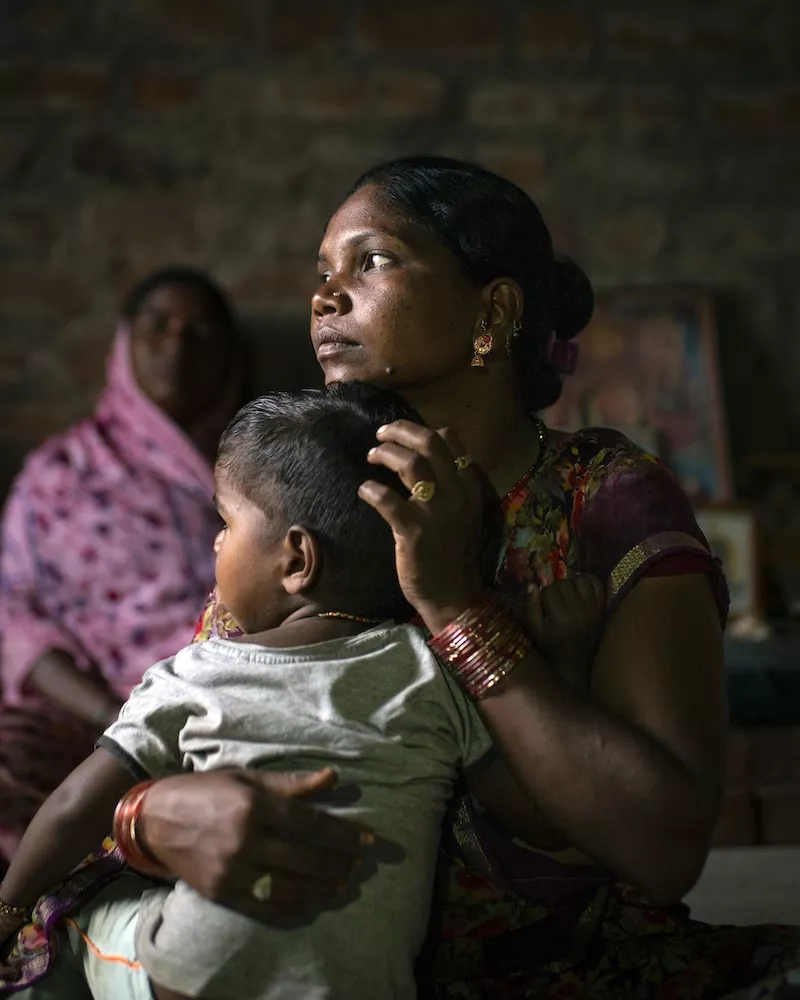
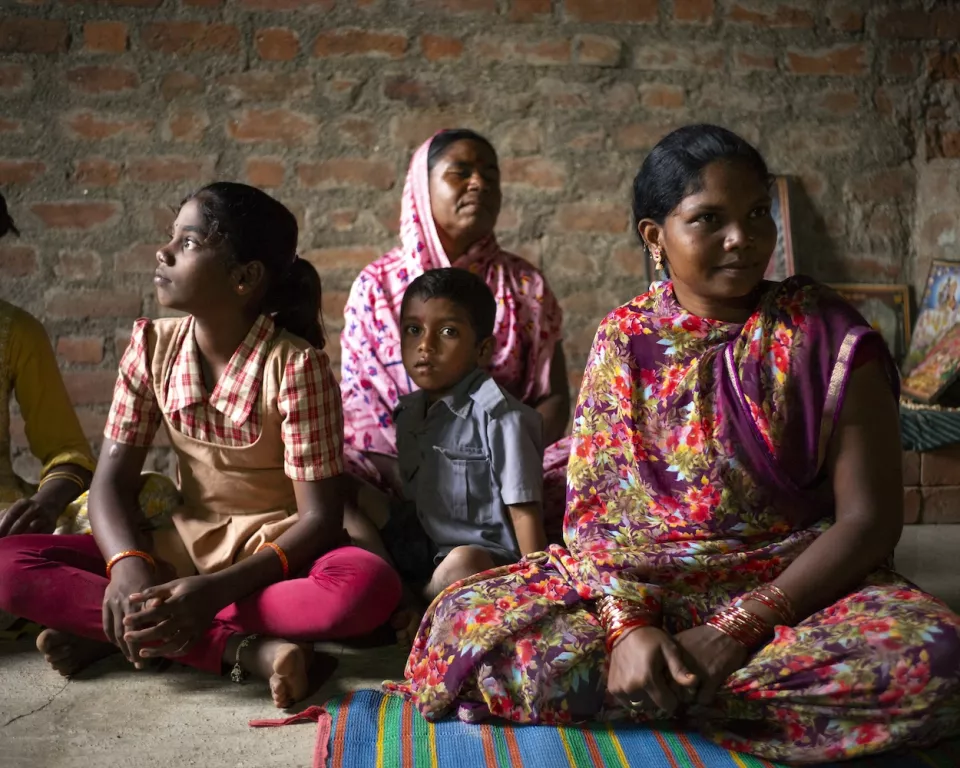
Widowed young, Anita supports five children while carrying her husband’s medical debts and heavy fieldwork. -
Suman’s seasonal farming and lack of land rights leave her exposed to worsening droughts. -
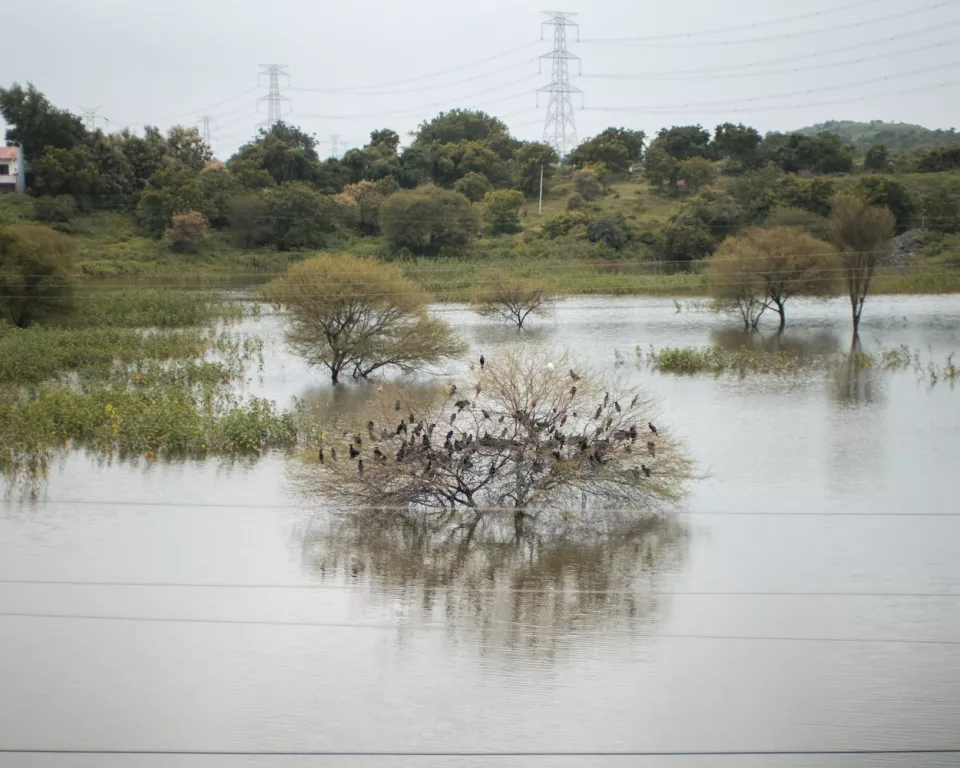
Floodwater spreads across Maharashtra, intensifying the hardships of already fragile farming families. -
-
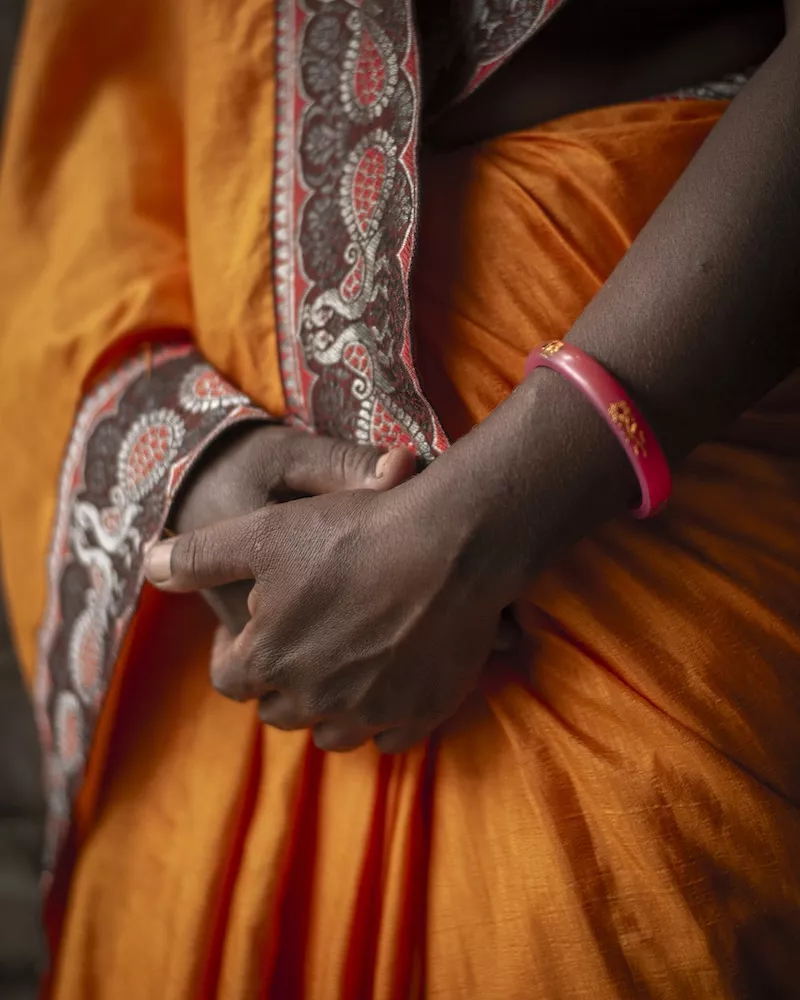
Payal survives harsh manual labor after abusive early marriages and abandonment by her in-laws. -
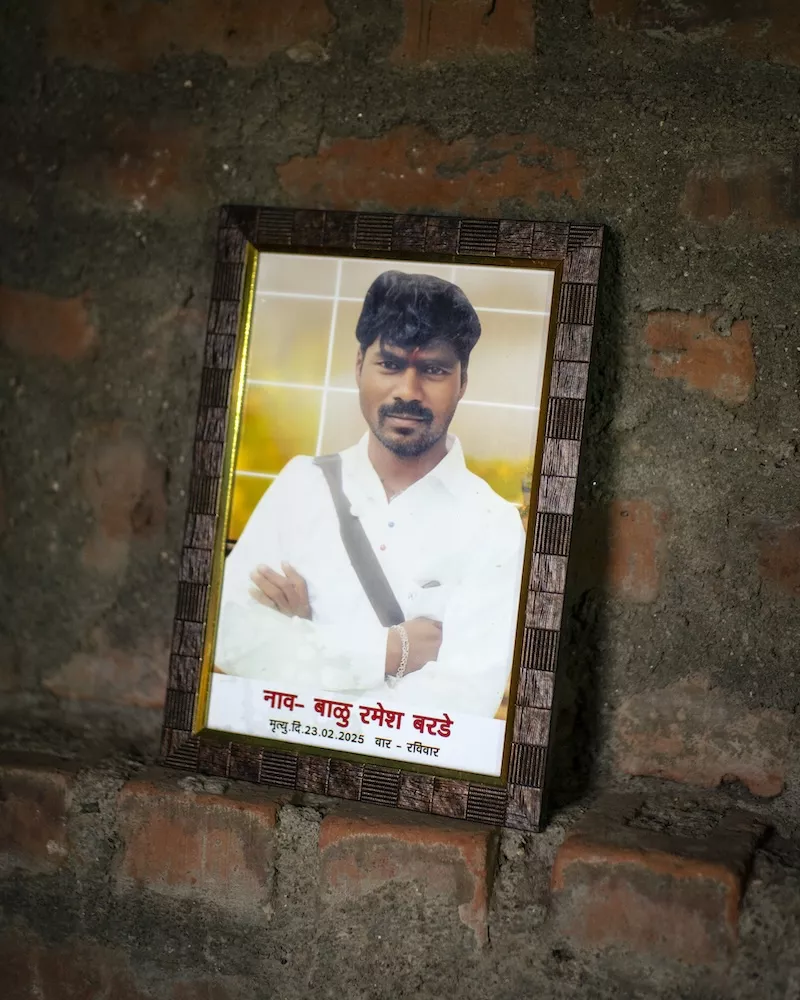
Following her husband’s suicide, Vaishala became a village leader supporting women’s rights and health education. -
Payal works long hours in the fields to raise her children alone after years of abuse and loss. -
Dalit farmers Bahu Saheb and Anita struggle with half-year harvests and debts driven by drought. -
Suman remains vulnerable to debt as climate change and Dalit exclusion limit her ability to farm. -
For Bahu Saheb and Anita, drought and discrimination reduce farming to a few productive months a year. -
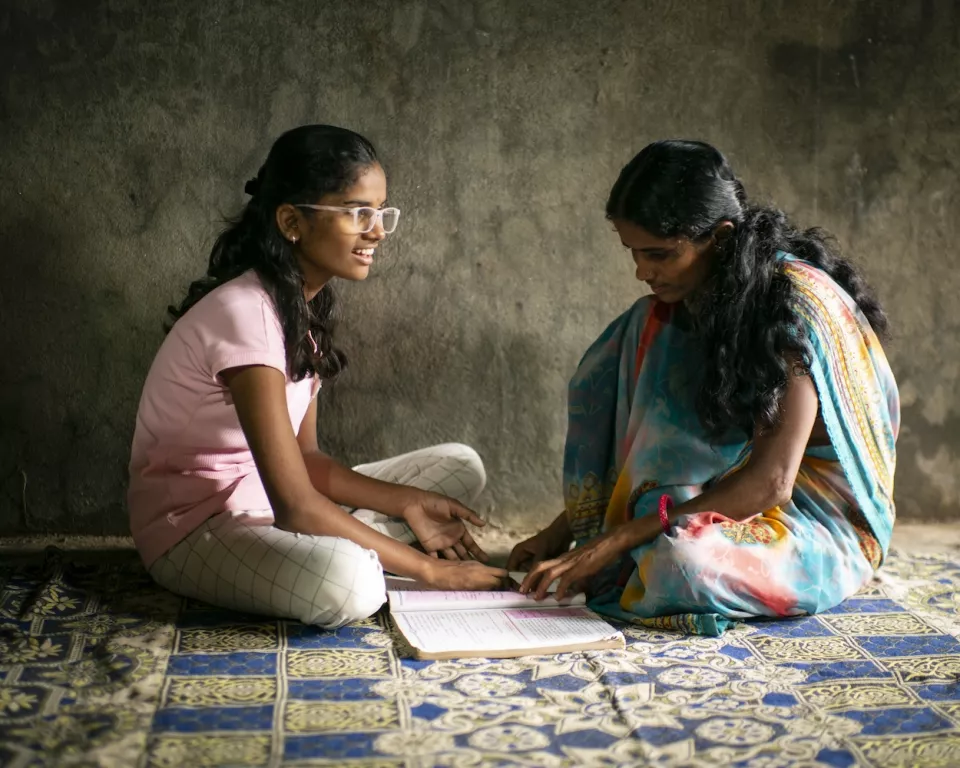
Anita raises five children while repaying her late husband’s debts and working long days in the fields. -
Suman faces recurring debt as droughts worsen and Dalit farmers lack rights to land and insurance. -
Jagar Pratishthan has defended the rights of marginalized communities in Maharashtra since 1989. -
Suman’s livelihood is threatened by climate stress and Dalit exclusion from land and crop protection. -
Anita balances fieldwork, debt repayment, and raising five children after losing her husband. -
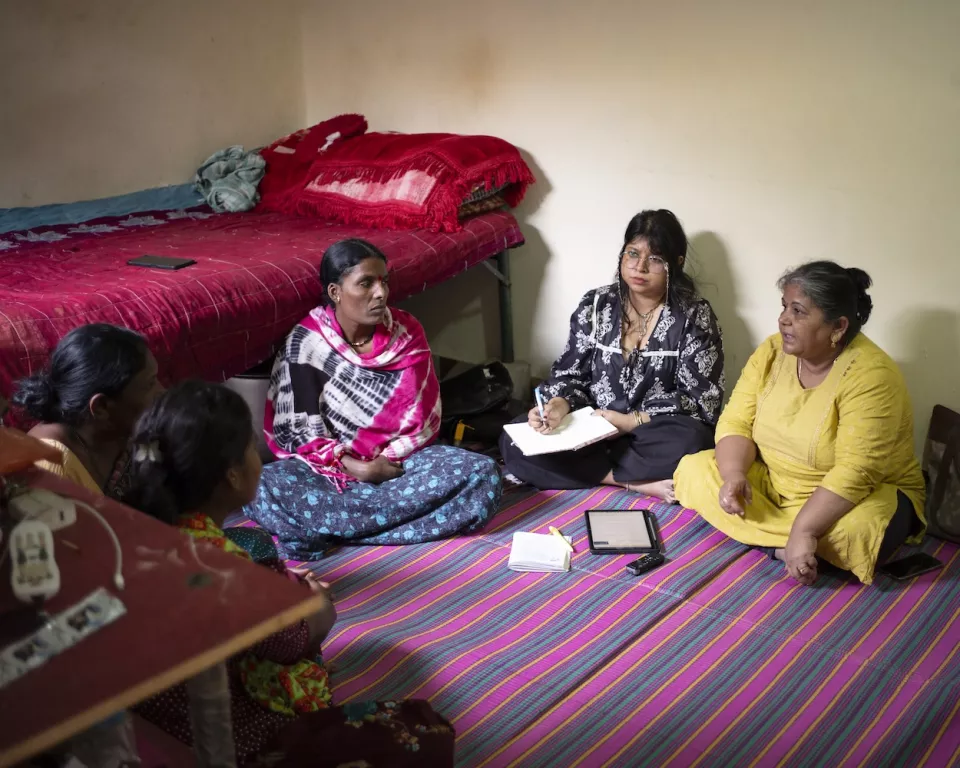
Supported by activists, Vaishala rebuilt her life and now guides other women fighting for legal rights. -
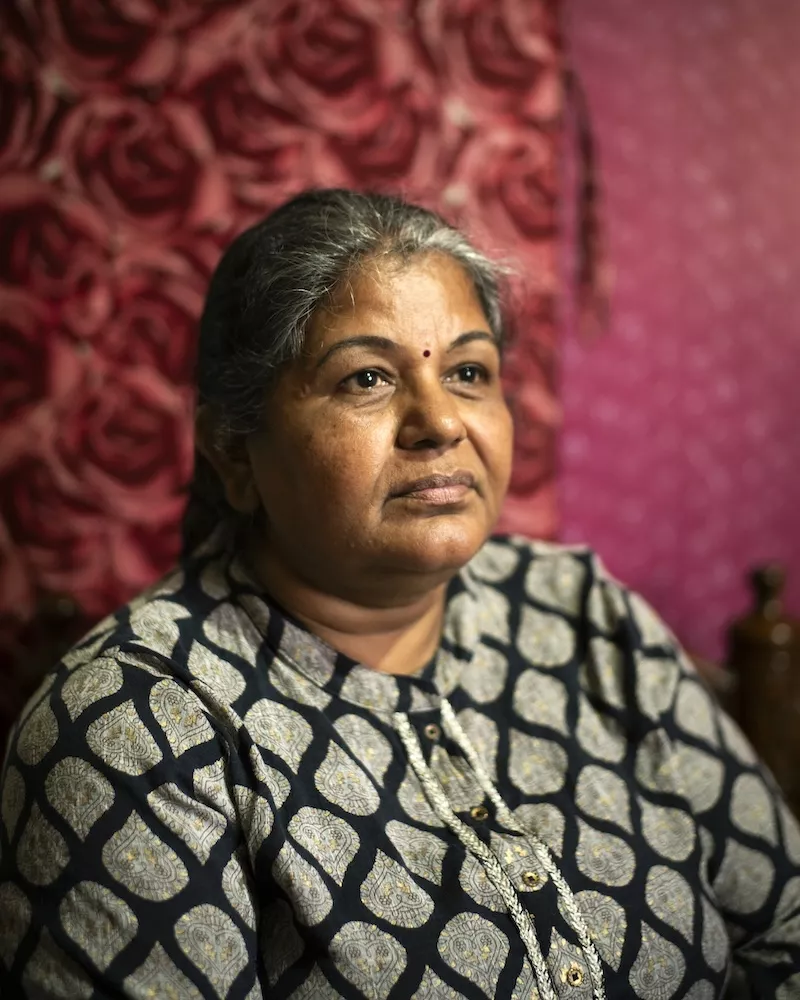
Manisha rebuilt stability after losing her husband and now trains widows to become community leaders. -
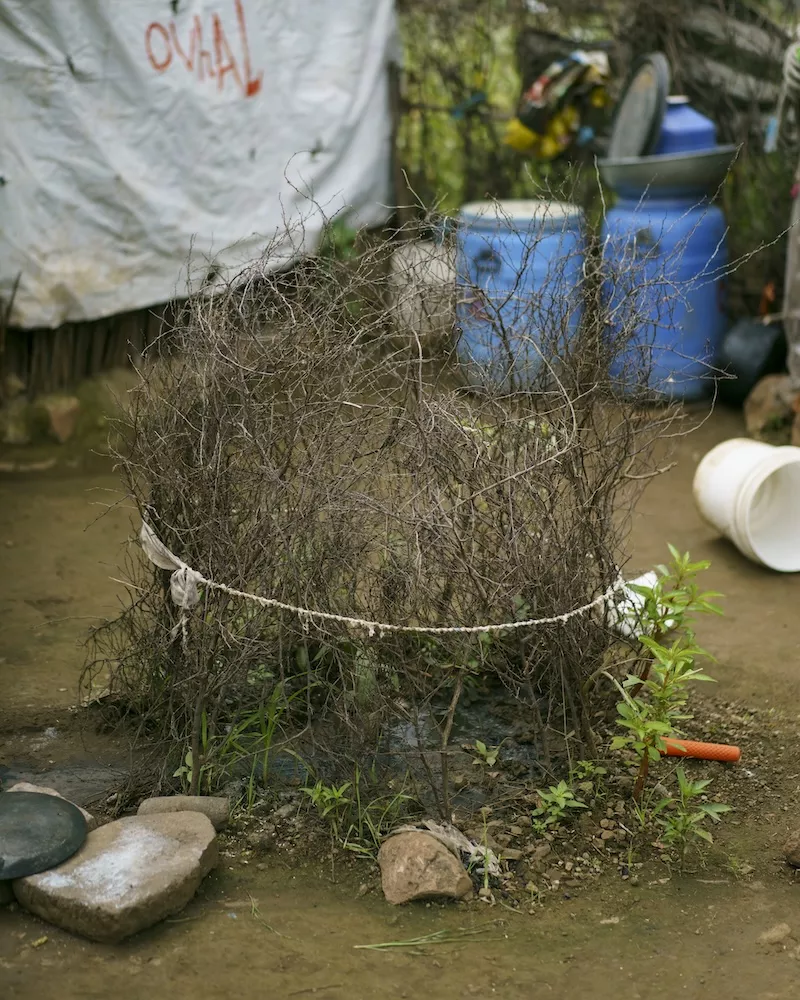
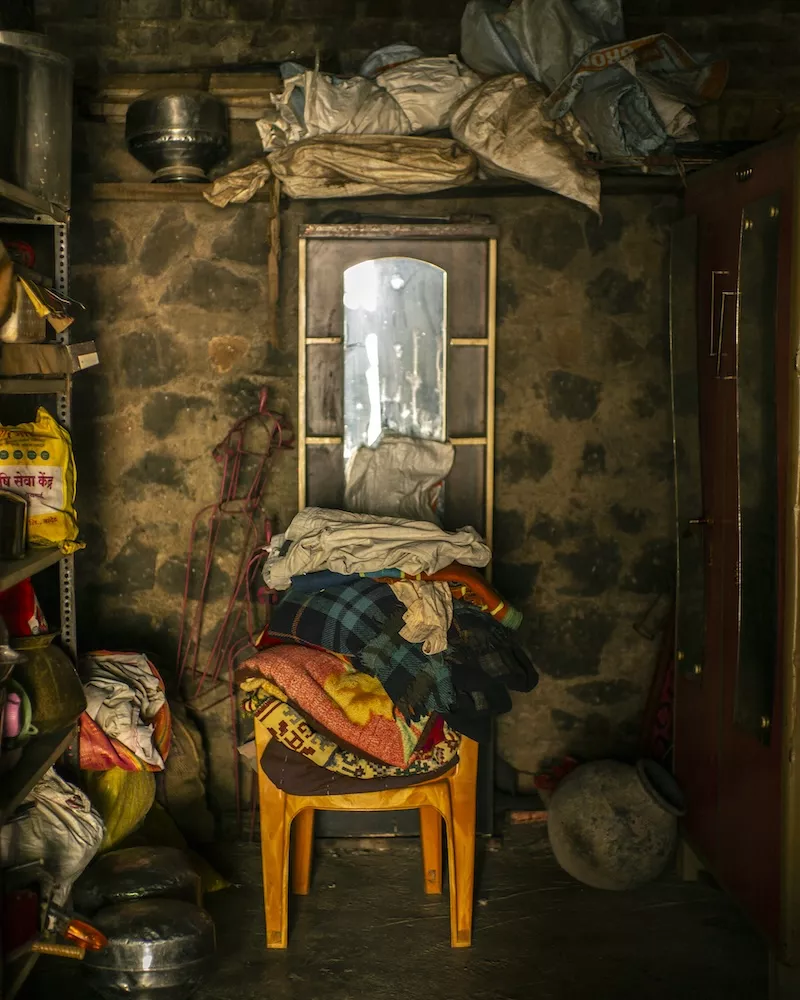
A protective handprint marks the wall of Vaishala’s home, a symbol meant to ward off misfortune. -
Activist Manisha Tokle, co-founder of Jagar Pratishthan, works to support Dalit women and farmers. -
Jagar Pratishthan provides vital grassroots support to marginalized communities through advocacy and community action.
In 2025 The PhotoBridge Project worked with Jagar Pratishthan in Maharashtra, India, to highlight the struggles and triumphs of marginalized communities. Through the lens of photographer Chloé Sharrock, this portfolio sheds light on women and men confronting exploitation, inequality, and caste discrimination — and on their determination to claim dignity, rights, and justice.
India – Jagar Pratishthan
In the villages and sugarcane fields of Maharashtra, daily survival often collides with entrenched injustice. Here, bonded labor, caste discrimination, and systemic exploitation weigh heavily on the most vulnerable — especially women. Yet amidst these challenges, grassroots leaders are driving transformation, fighting for land rights, reproductive health, and a more equitable future.
In 2025, The PhotoBridge Project worked with photographer Chloé Sharrock to document this struggle for dignity alongside Manisha Tokle and Ashok Tangade, co-founders of Jagar Pratishthan. Since 1989, the organization has defended the rights of marginalized communities, confronting injustice through legal action, education, and public campaigns.
These images reveal how activism takes root at the local level — from Dalit women demanding land ownership, to sex workers and sugarcane cutters fighting for reproductive health and safe working conditions. They are a testament to resilience, solidarity, and the power of grassroots leadership to ignite change.
About Jagar Pratishthan
Founded in 1989, Jagar Pratishthan is a grassroots organization working in Maharashtra to advance the rights of marginalized communities. Its initiatives span from farmers’ access to seeds and water, to Dalit women’s land ownership, organic farming, sex workers’ rights, and reproductive health. The organization has also been at the forefront of campaigns against bonded labor, caste discrimination, and systemic exploitation.
For its decades of advocacy, Jagar Pratishthan has received the Padmashri Karmaveer Dadasaheb Gaikwad Award for land rights activism, while co-founder Manisha Tokle was honored with the Ahilyadevi Holkar Award for women’s leadership.