Haiti Fondation pour la Protection de la Biodiversité Marine & Olivier Jobard
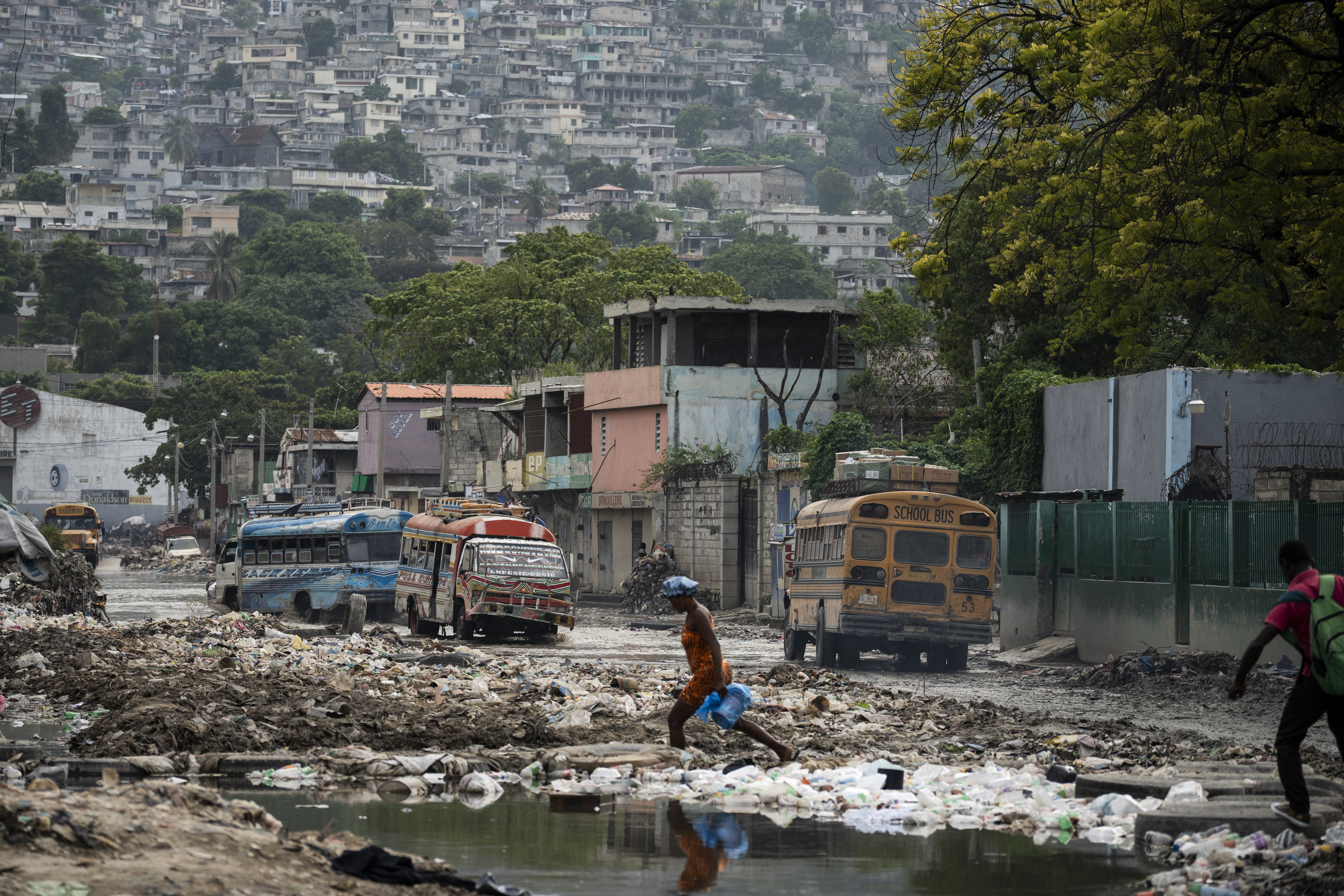


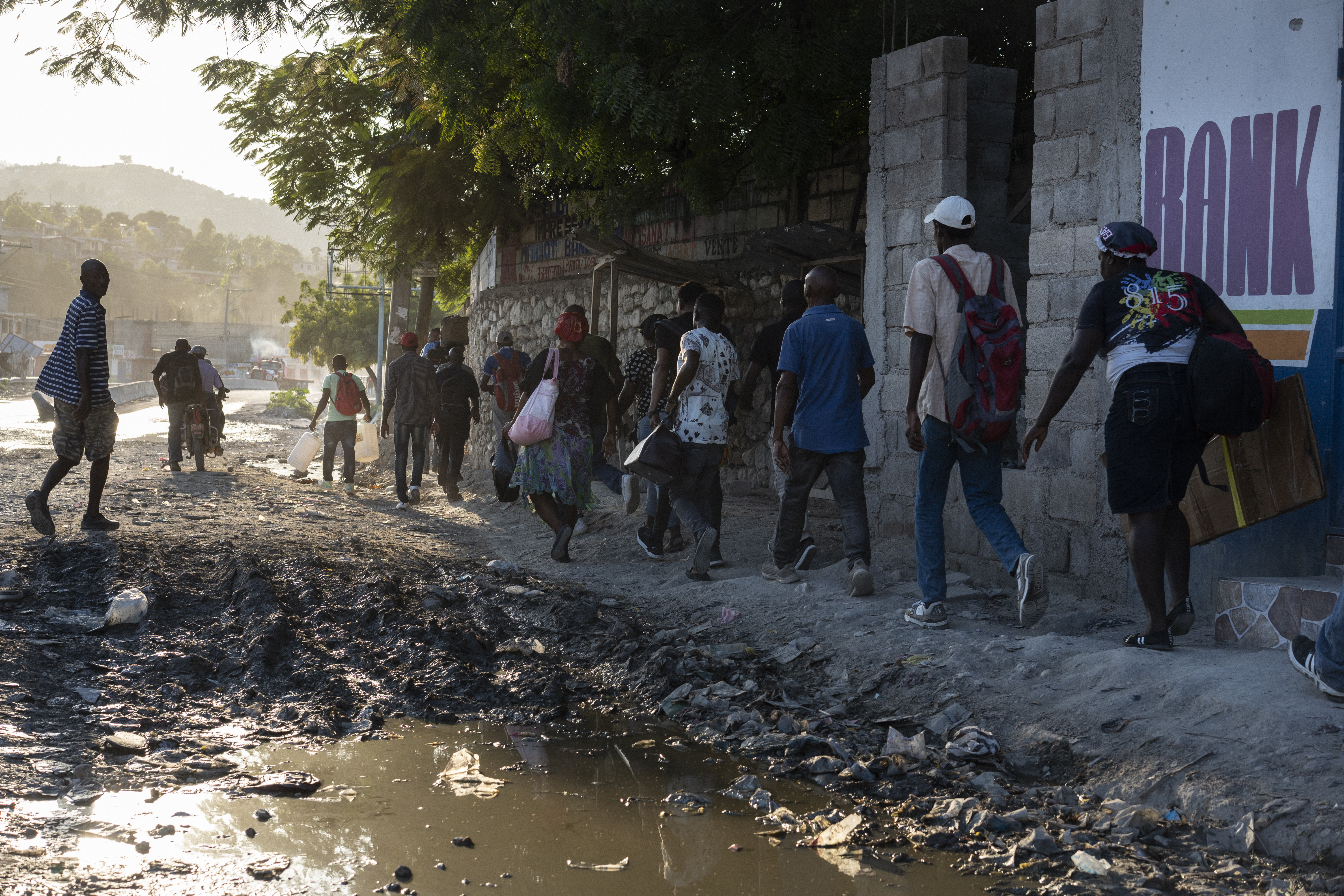

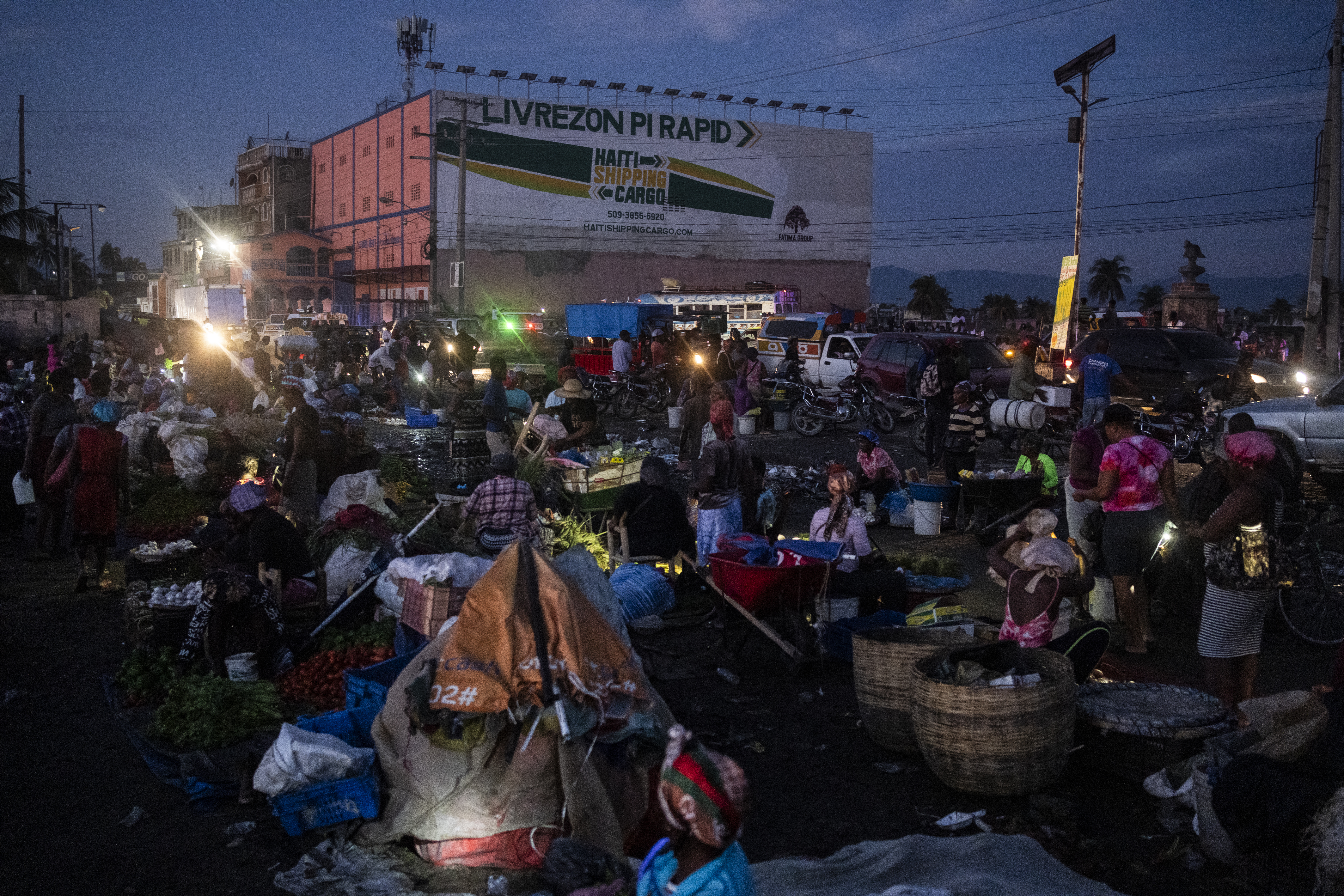
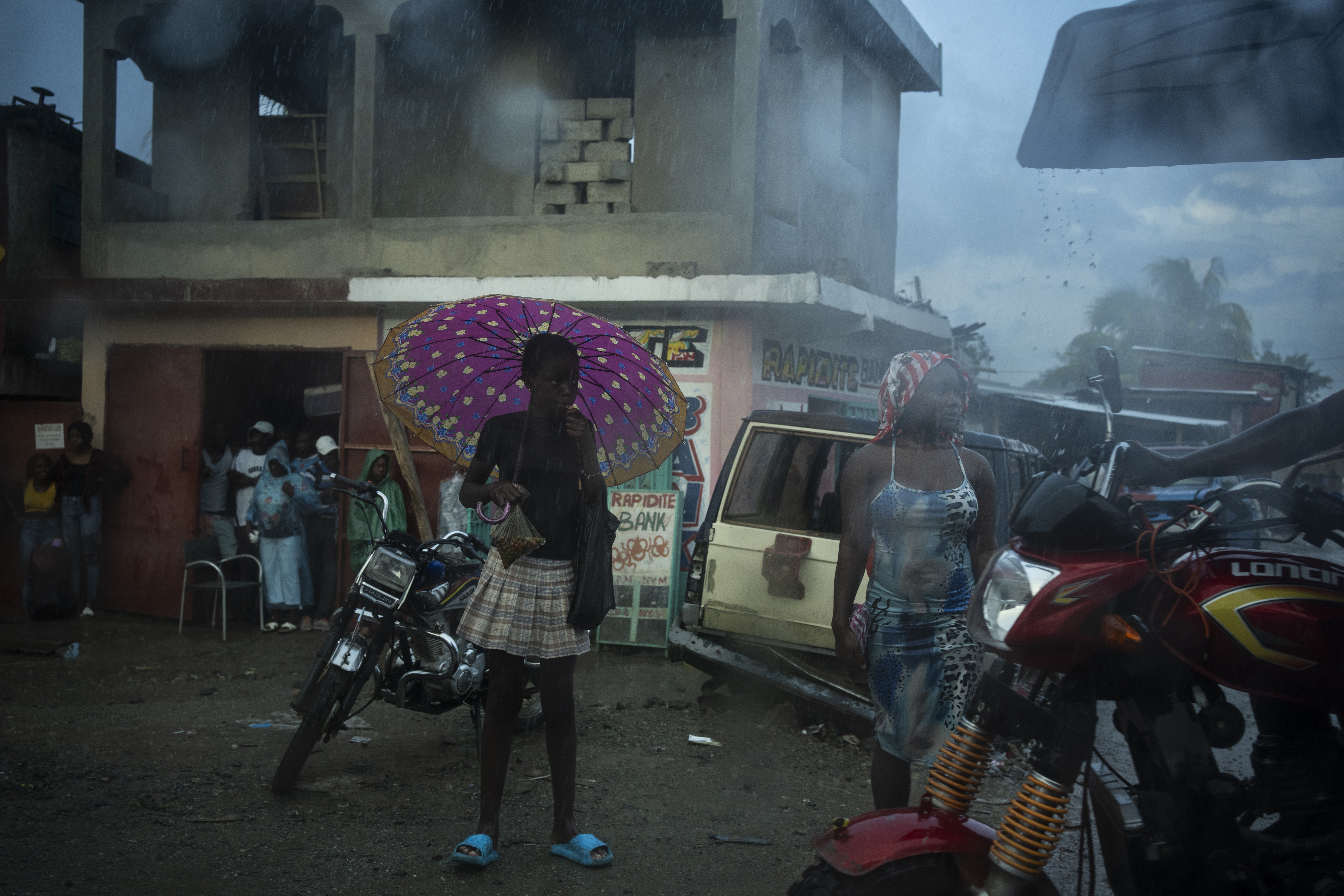
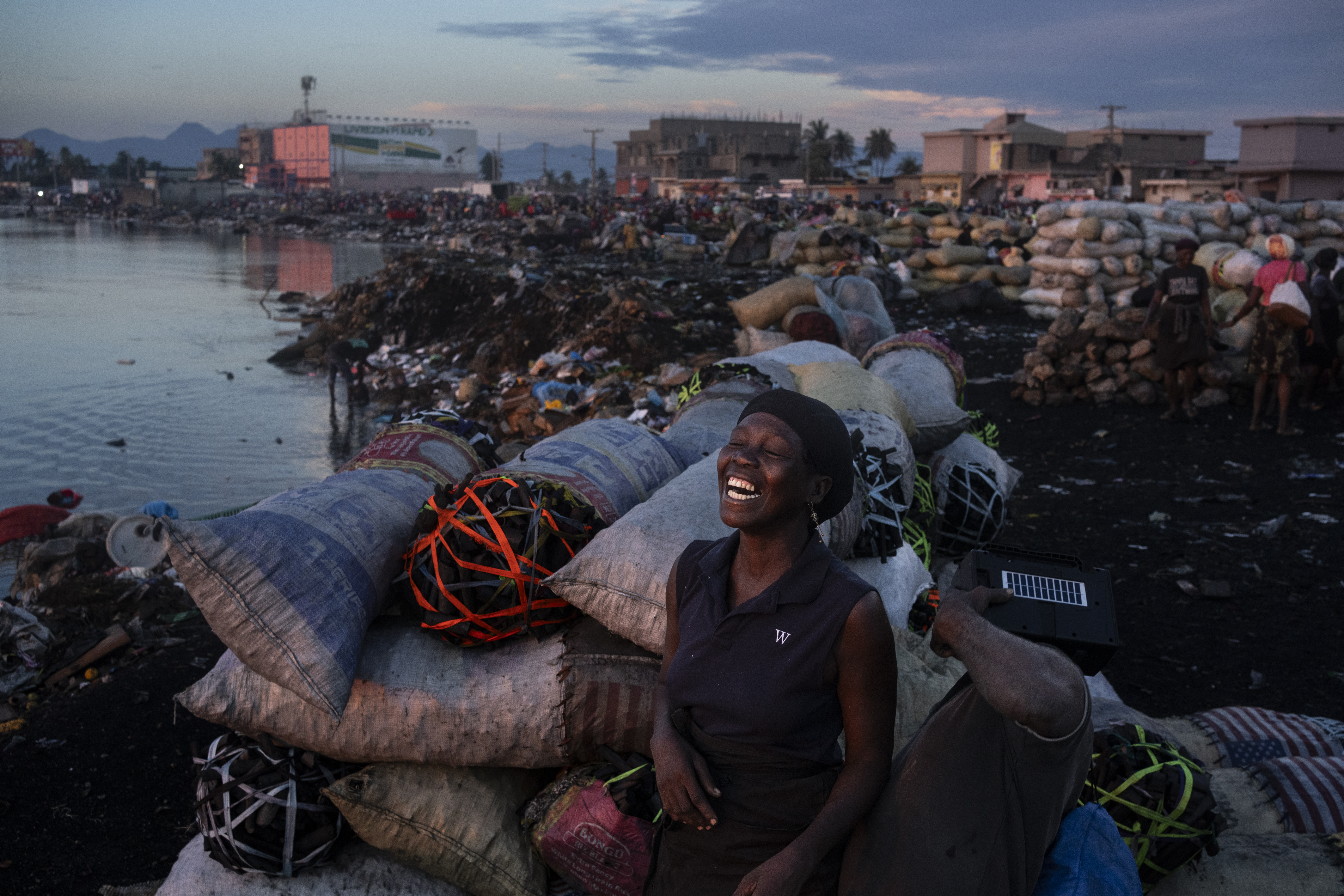

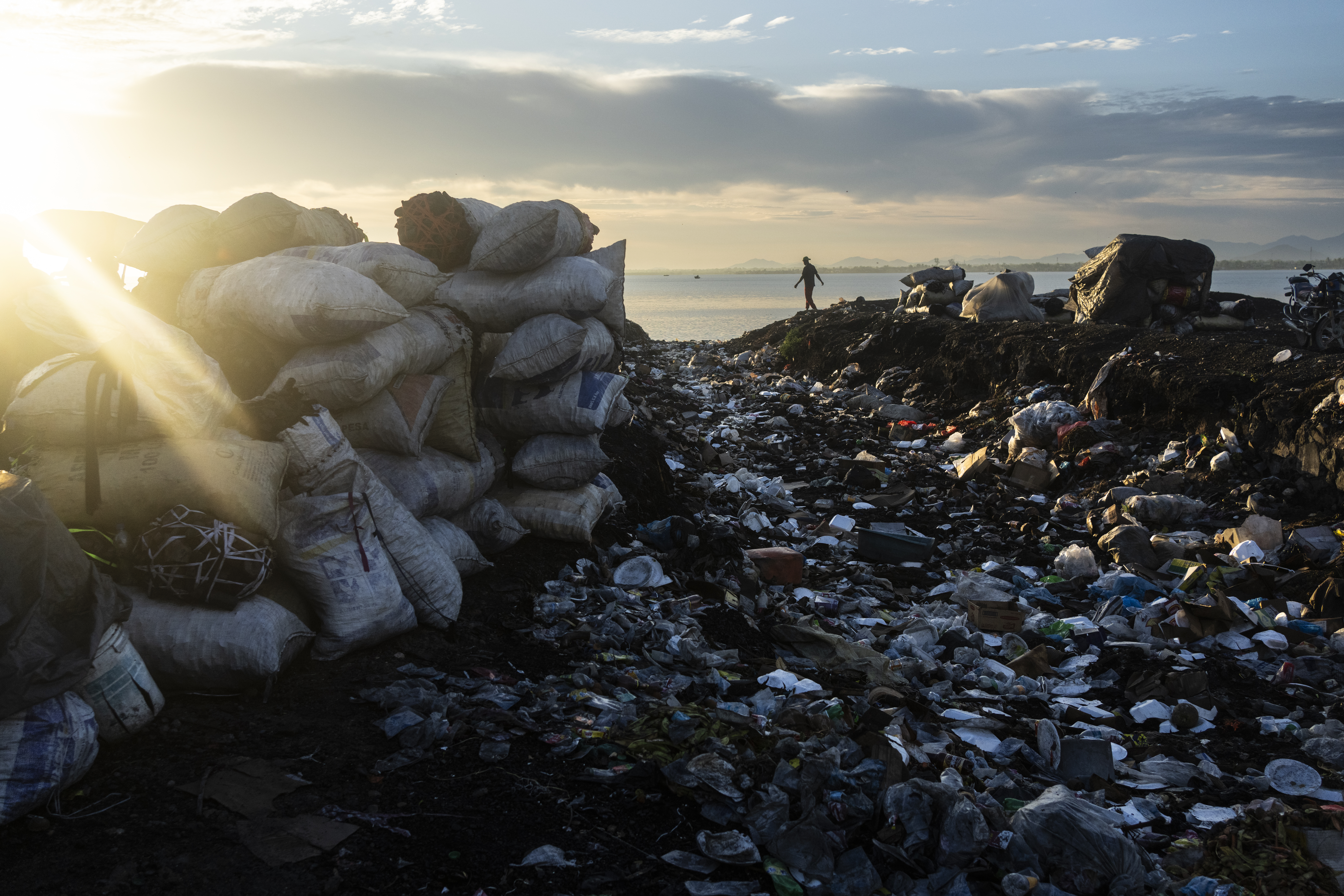
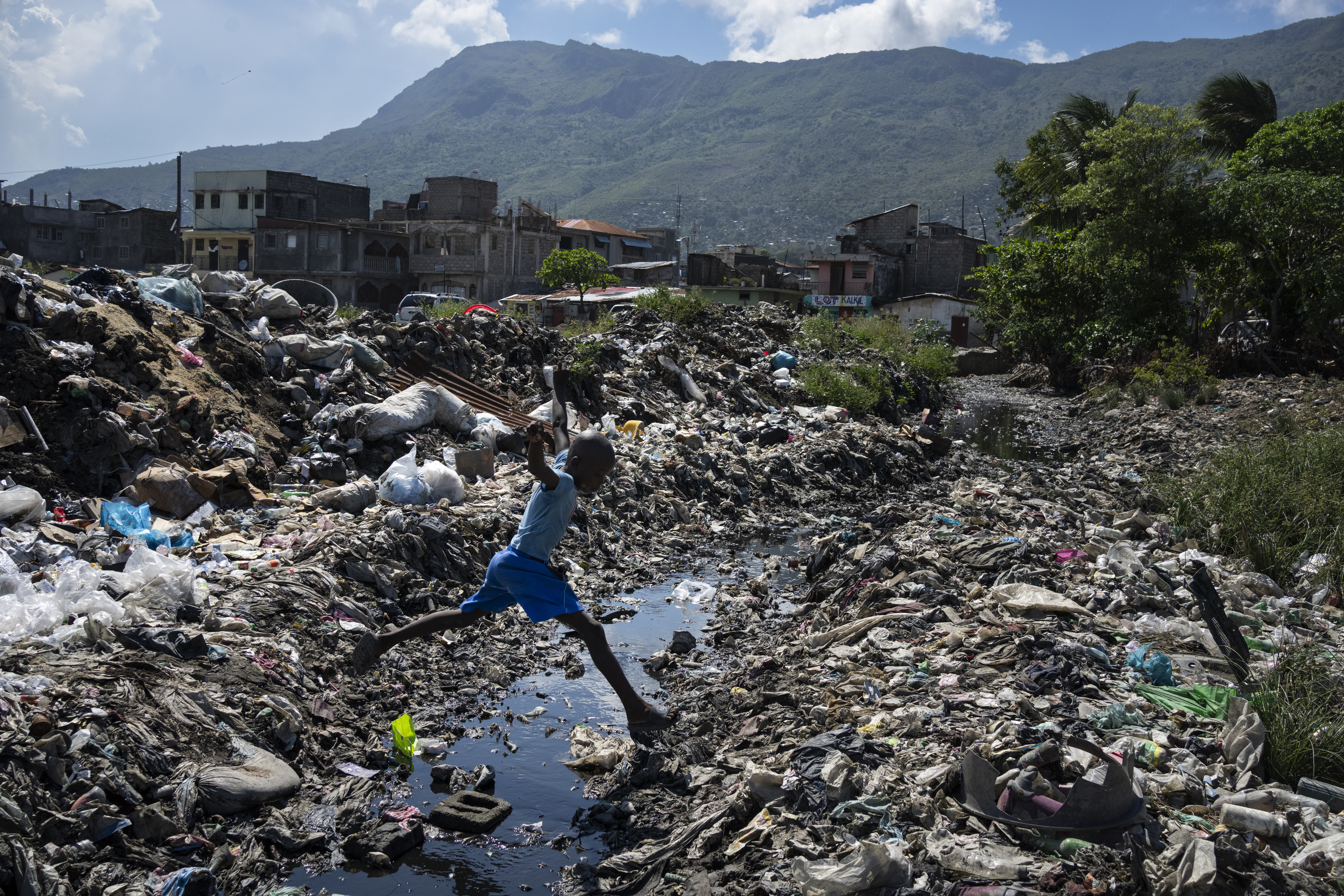
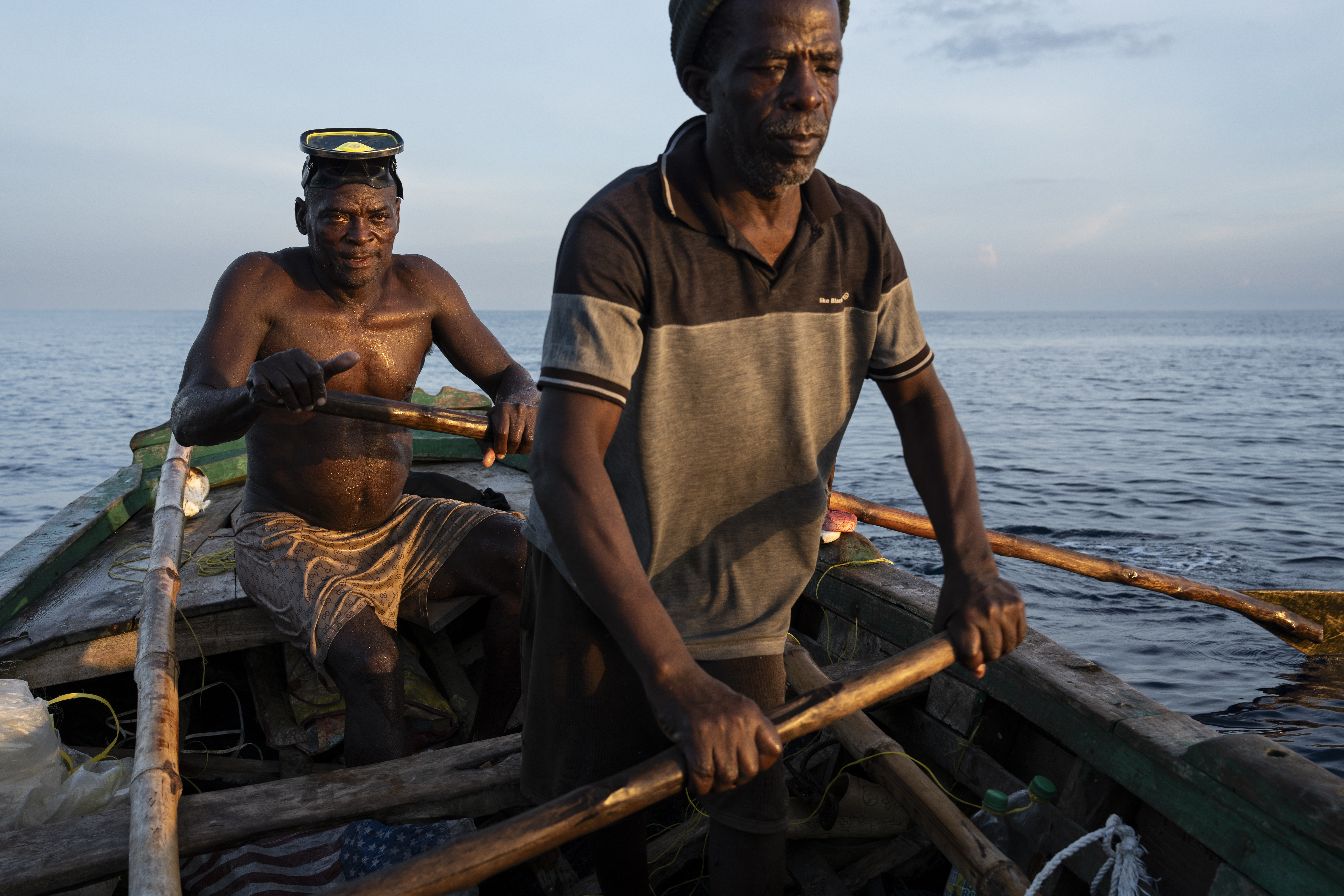
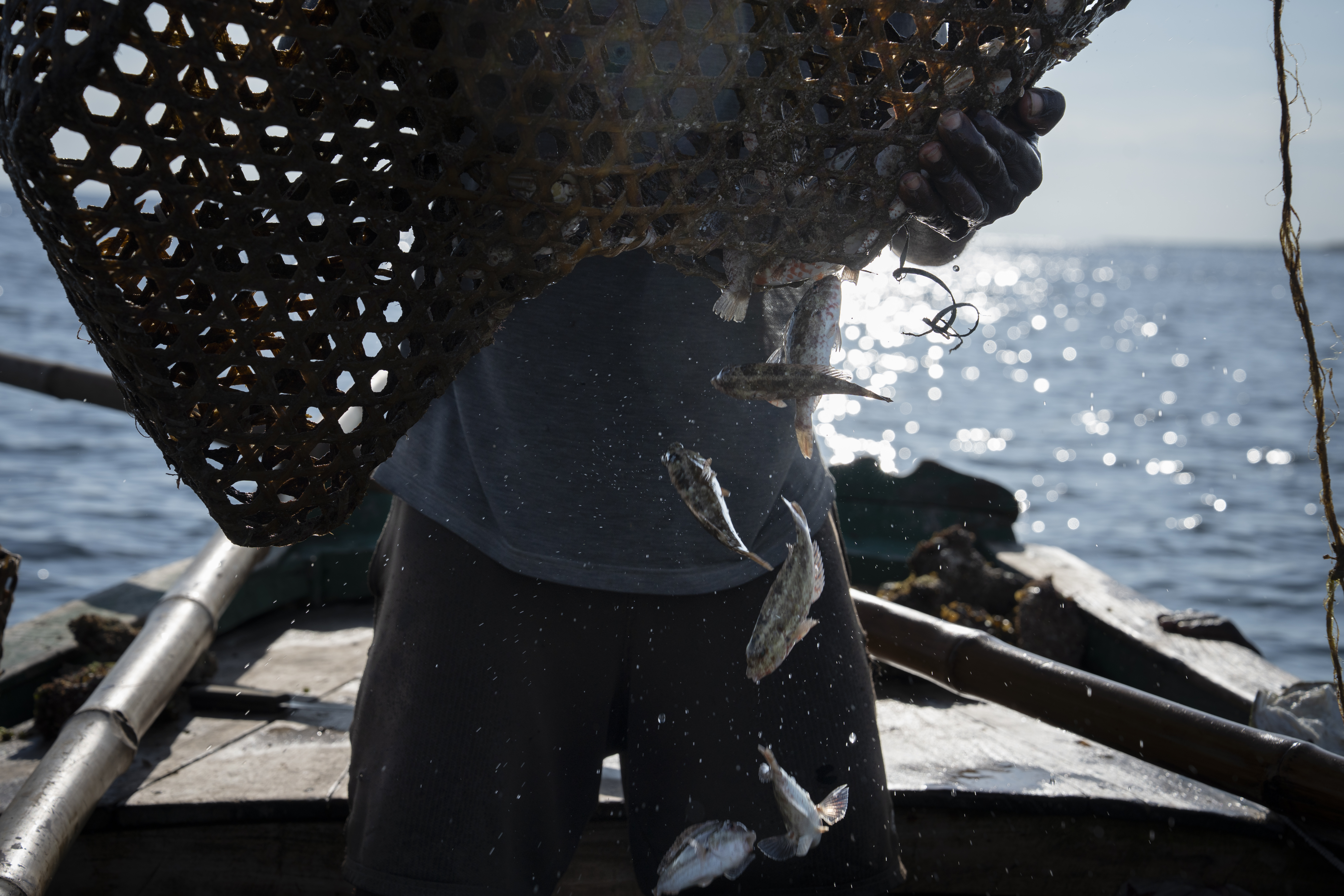
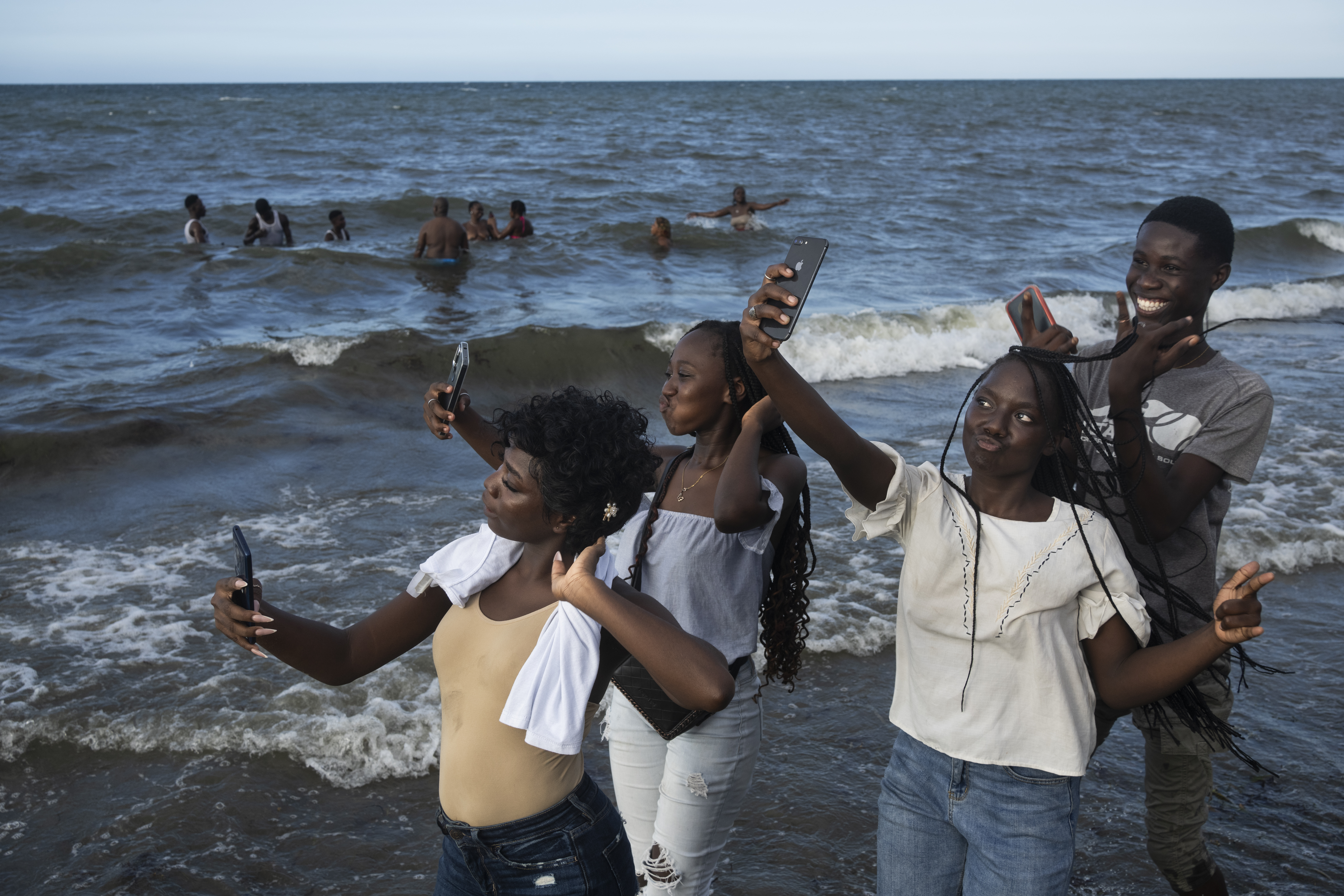
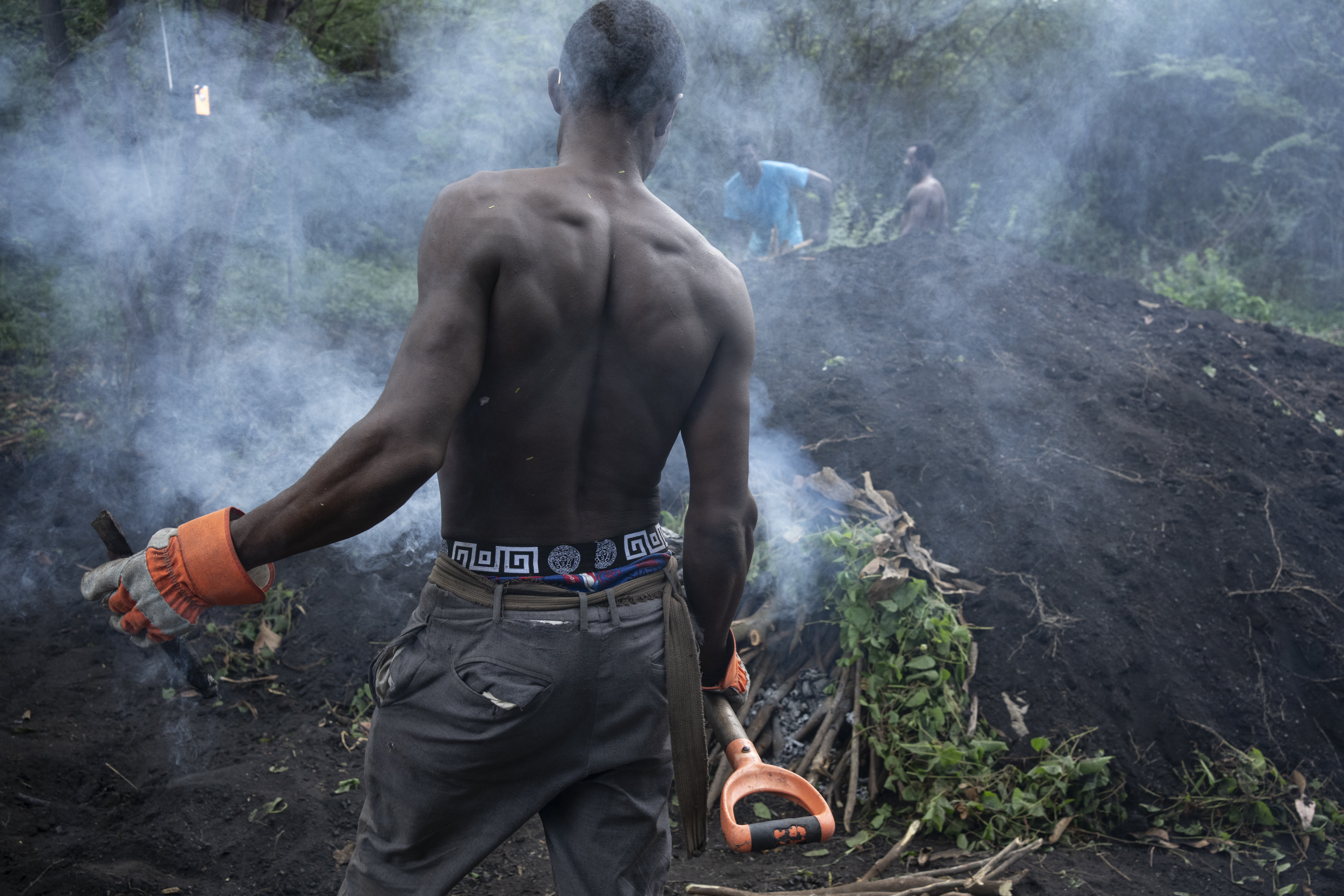

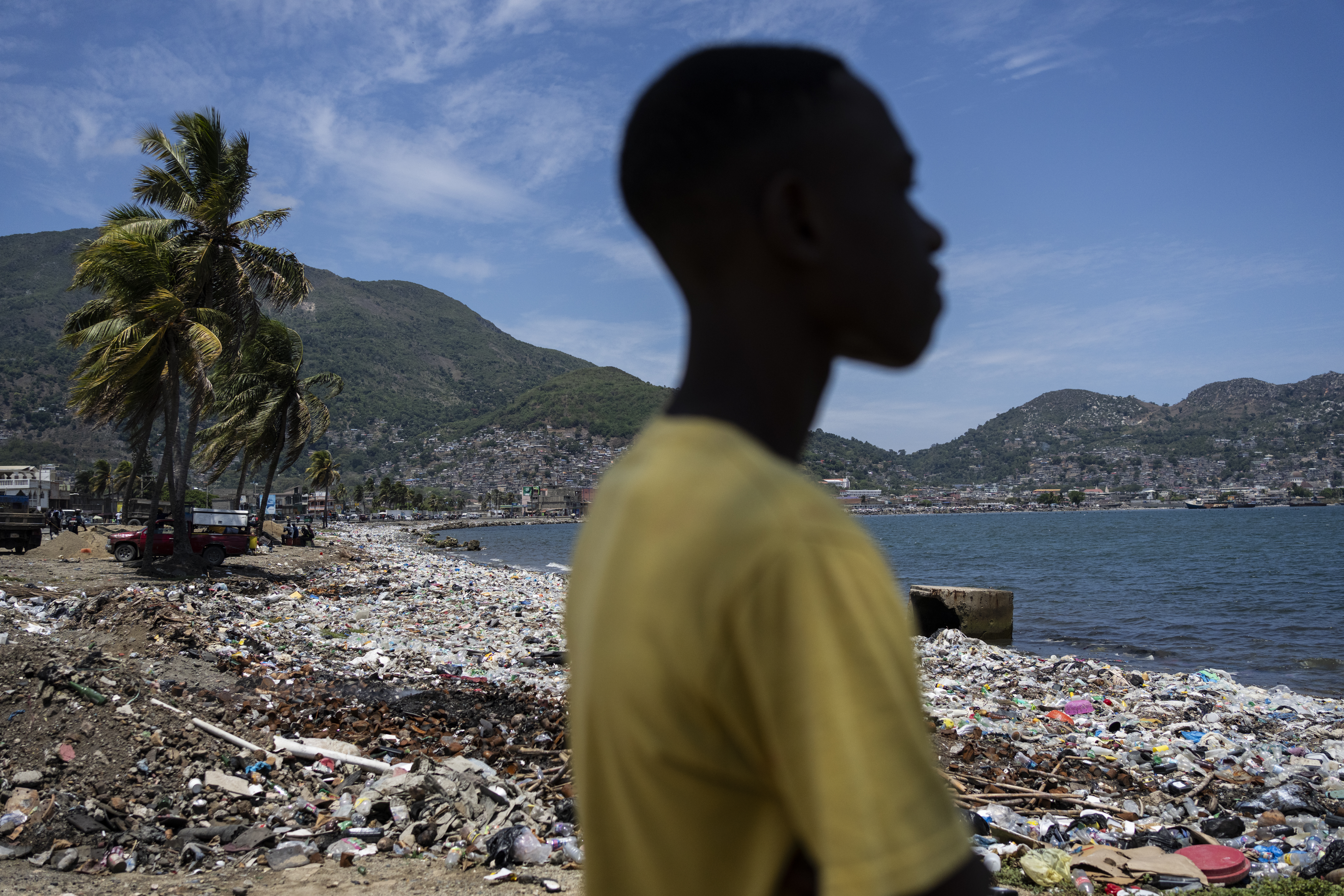
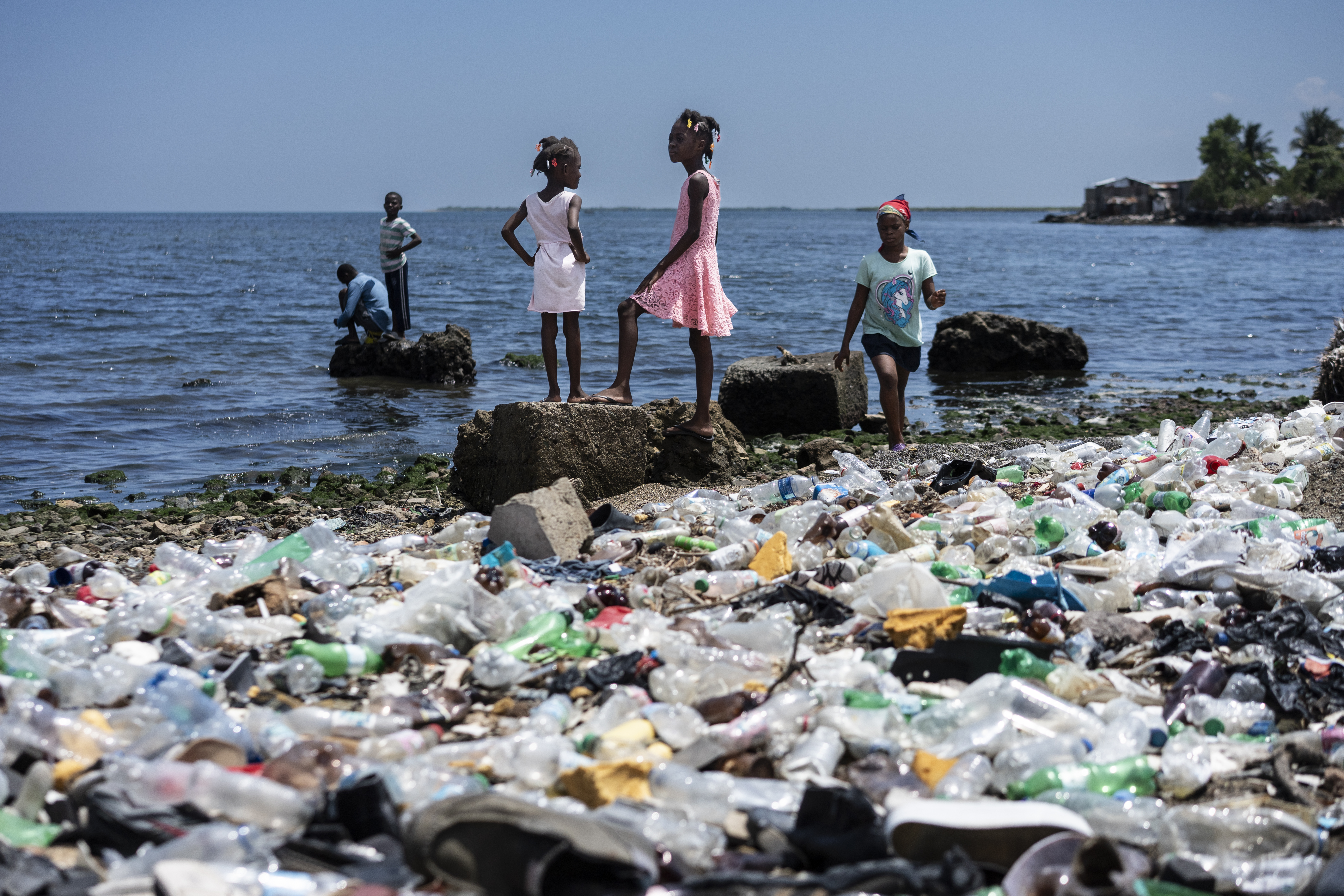
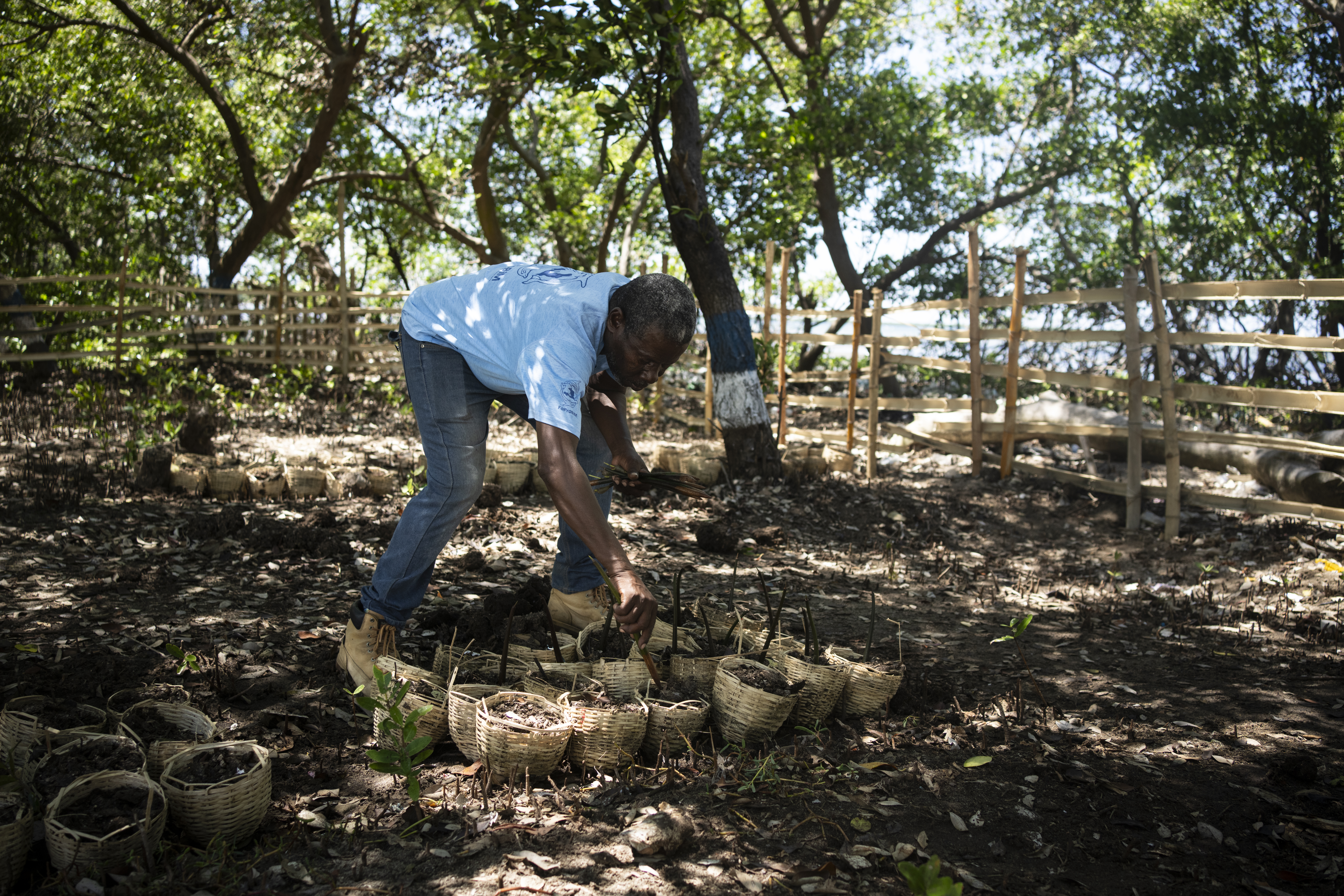
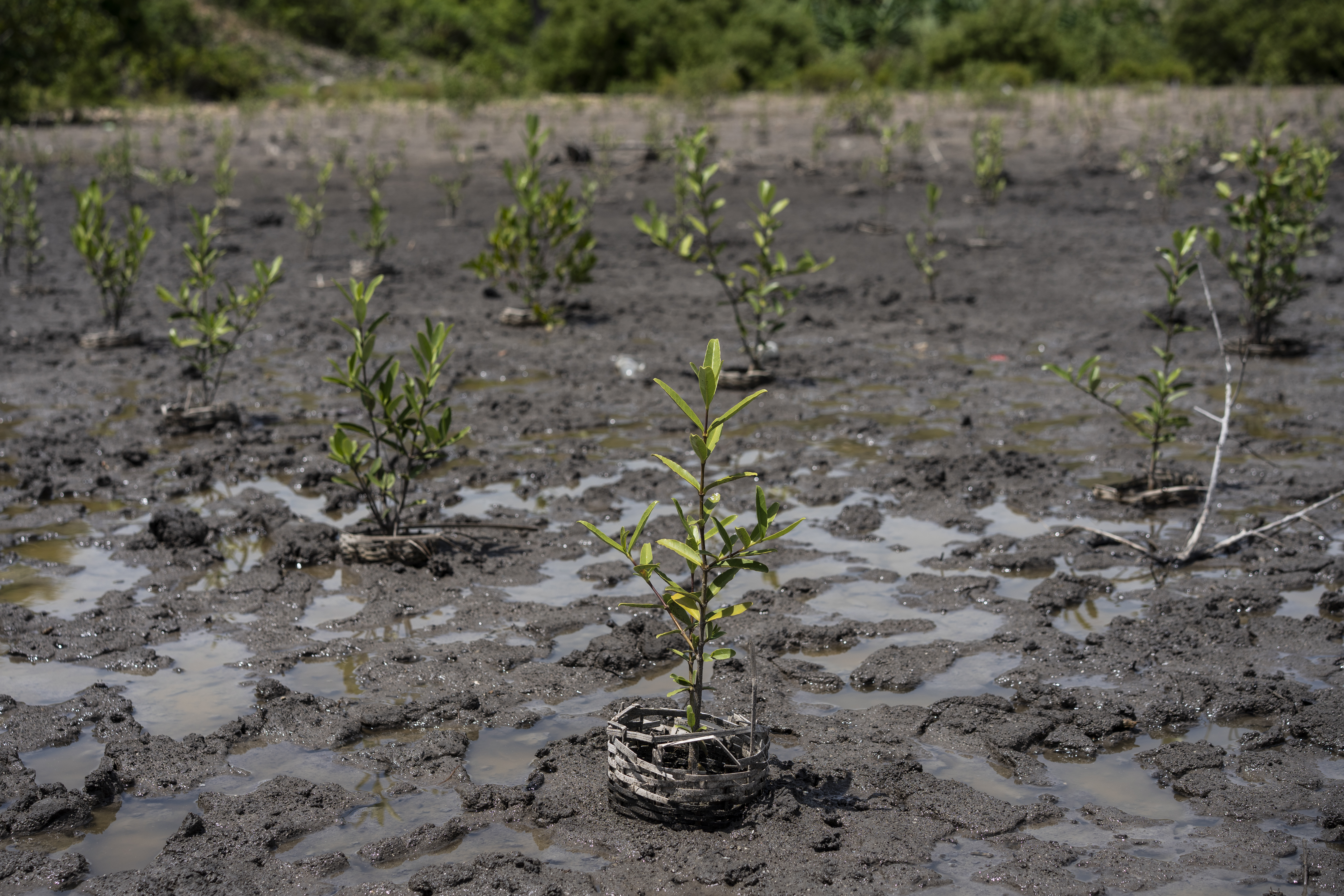
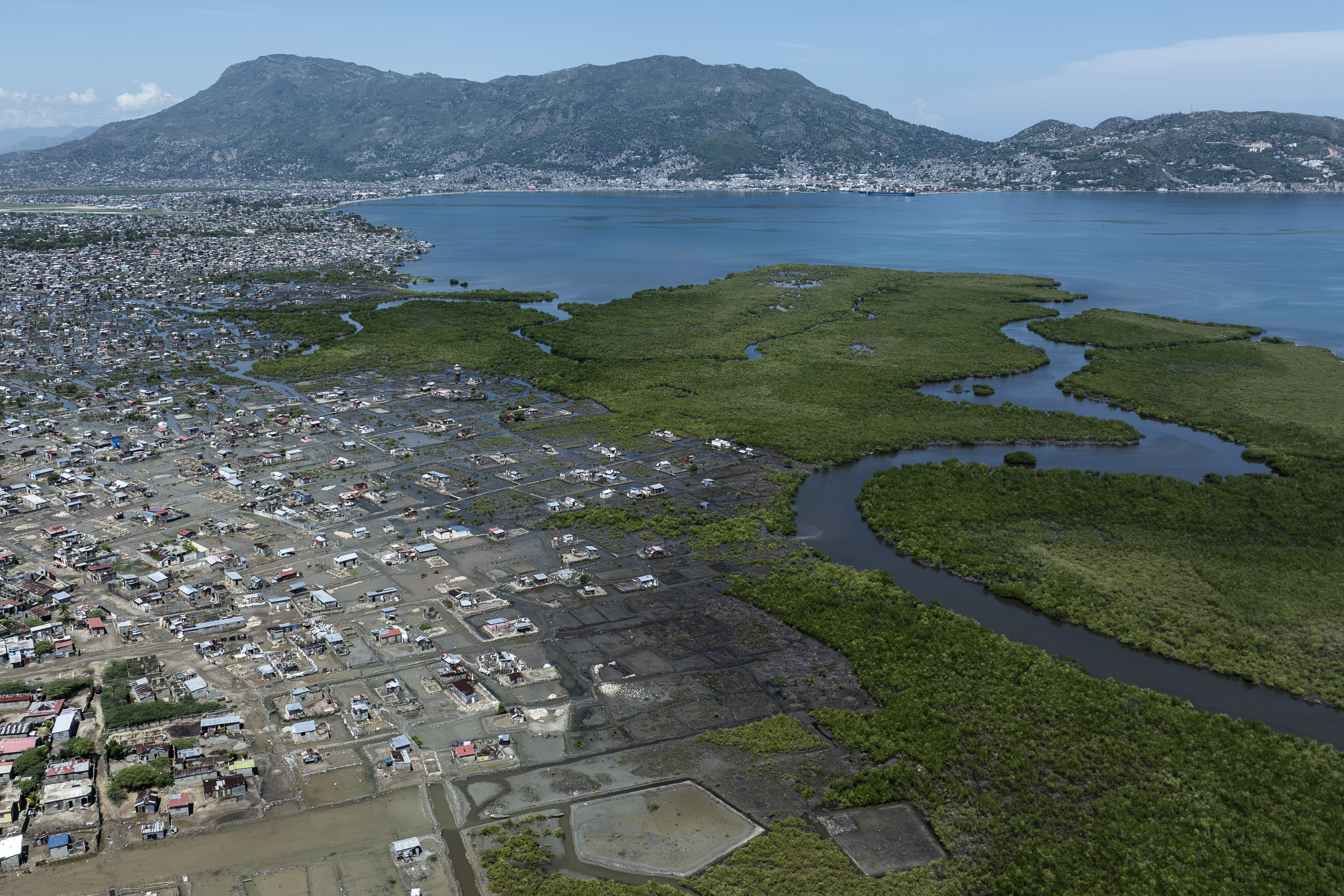
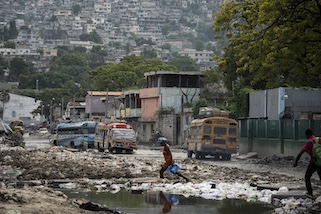

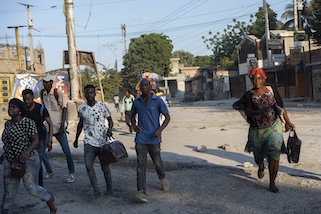
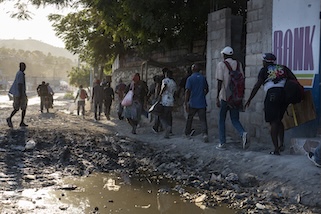

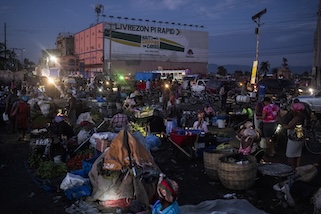
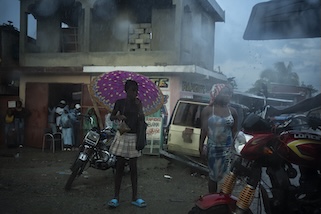
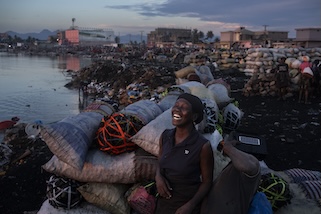

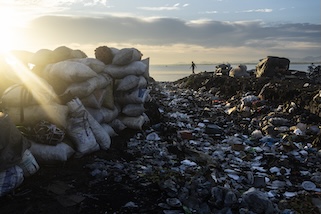
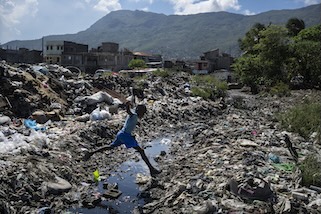
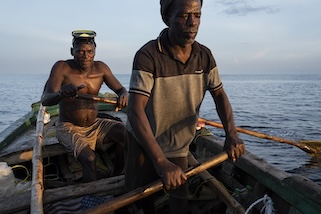
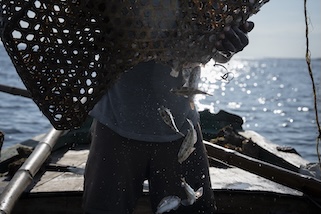
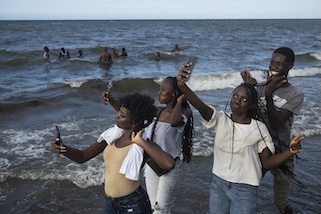
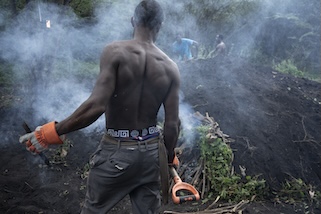

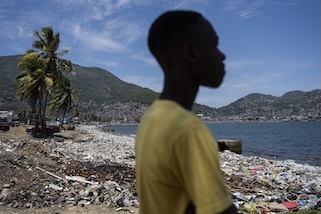
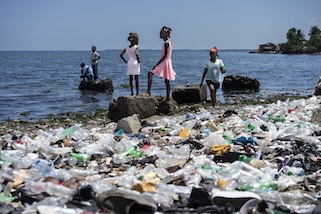
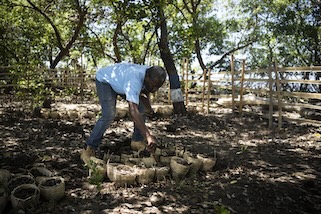
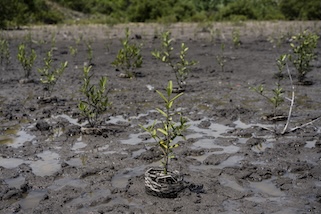
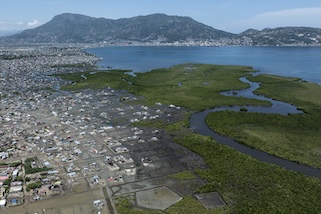
The PhotoBridge Project partnered with the Fondation pour la Protection de la Biodiversité Marine (FoProBiM) in Cap-Haïtien, Haiti, to highlight local efforts to protect marine ecosystems and sustain coastal communities. Through the lens of photographer Olivier Jobard, this portfolio captures the courage, resilience, and dedication of people who worked to preserve Haiti’s mangrove forests.
Haiti – Fondation pour la Protection de la Biodiversité Marine (FoProBiM)
In the Cap-Haïtien region, Haiti’s mangrove forests are a lifeline for both marine biodiversity and local fishing communities. Rising seas and warming waters threaten these vital ecosystems, but communities have fought to safeguard the forests that sustain their livelihoods.
In 2025, The PhotoBridge Project worked with Olivier Jobard, known for his intimate and dignified storytelling, to document the efforts of the Fondation pour la Protection de la Biodiversité Marine (FoProBiM). Since 1992, FoProBiM has worked to protect Haiti’s marine ecosystems and watersheds, promoting sustainable practices that balance human needs with environmental stewardship.
Olivier’s photography coincided with the Fisherman’s Festival in Limonade (September 5–6), capturing both the cultural vibrancy of the festival and the ongoing work to preserve mangroves. These images reveal how environmental protection, community engagement, and cultural tradition intersected to create a resilient and thriving coastal ecosystem.
About the Fondation pour la Protection de la Biodiversité Marine (FoProBiM)
Founded in 1992, the Fondation pour la Protection de la Biodiversité Marine (FoProBiM) is one of Haiti’s oldest environmental organizations, dedicated to protecting marine ecosystems and watersheds. The foundation works with coastal communities to promote sustainable fishing practices, restore mangrove forests, and safeguard biodiversity. By empowering local people to protect natural resources, FoProBiM ensures that both the environment and the livelihoods it supports are preserved for future generations.