
Country
United States
Migrant Justice
& Guillaume Binet
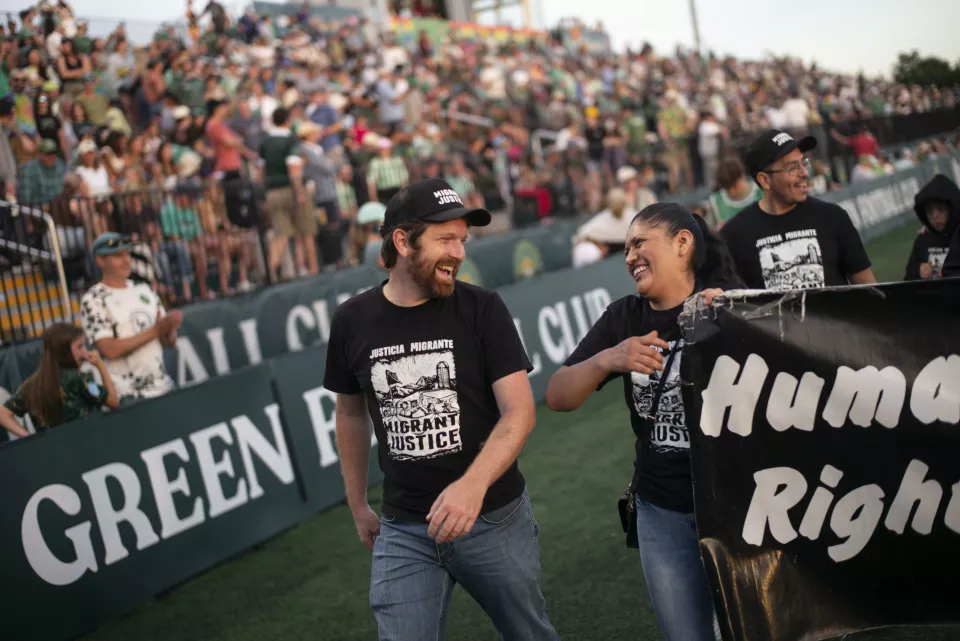
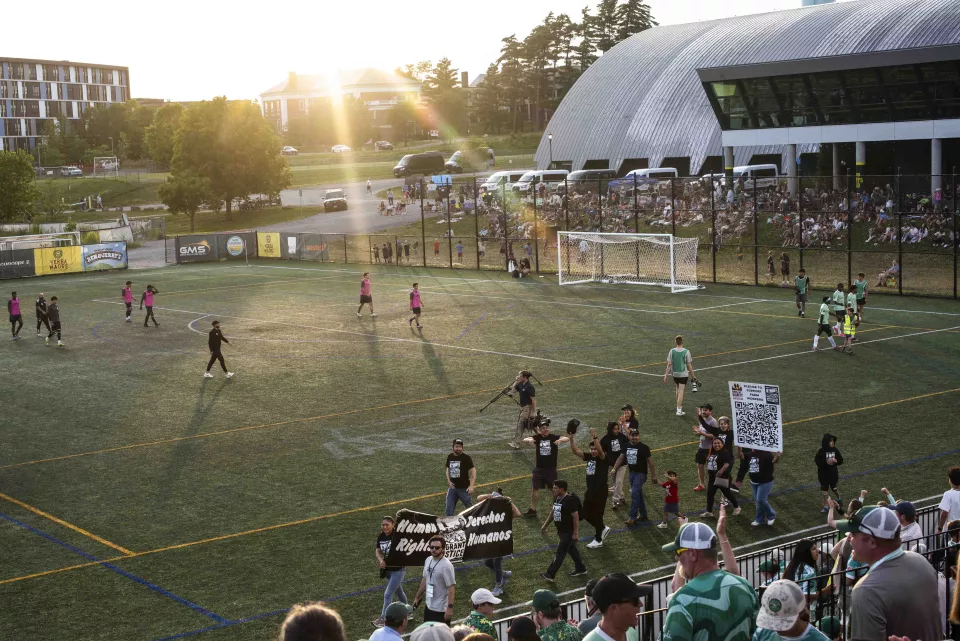
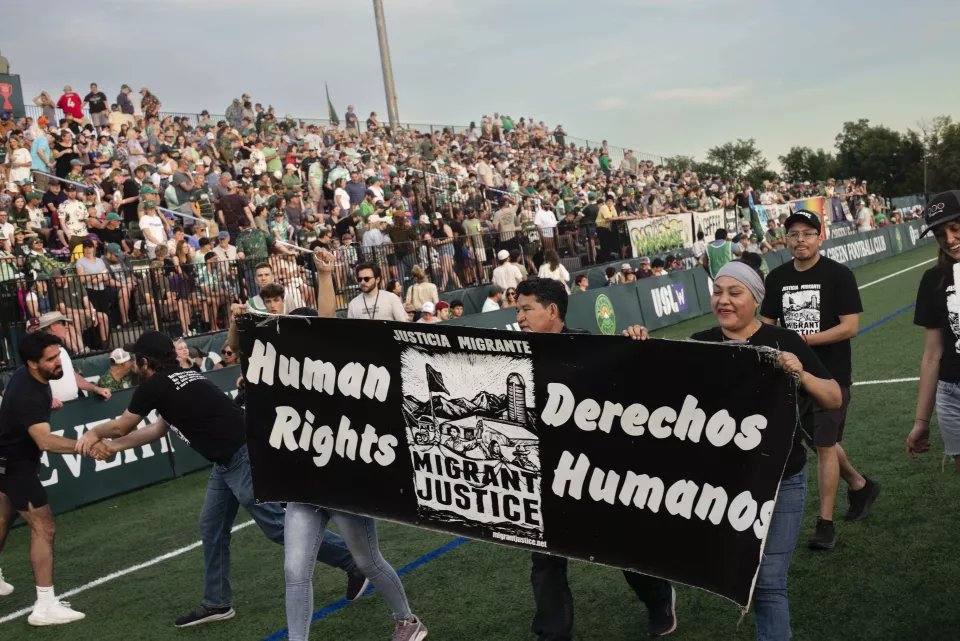
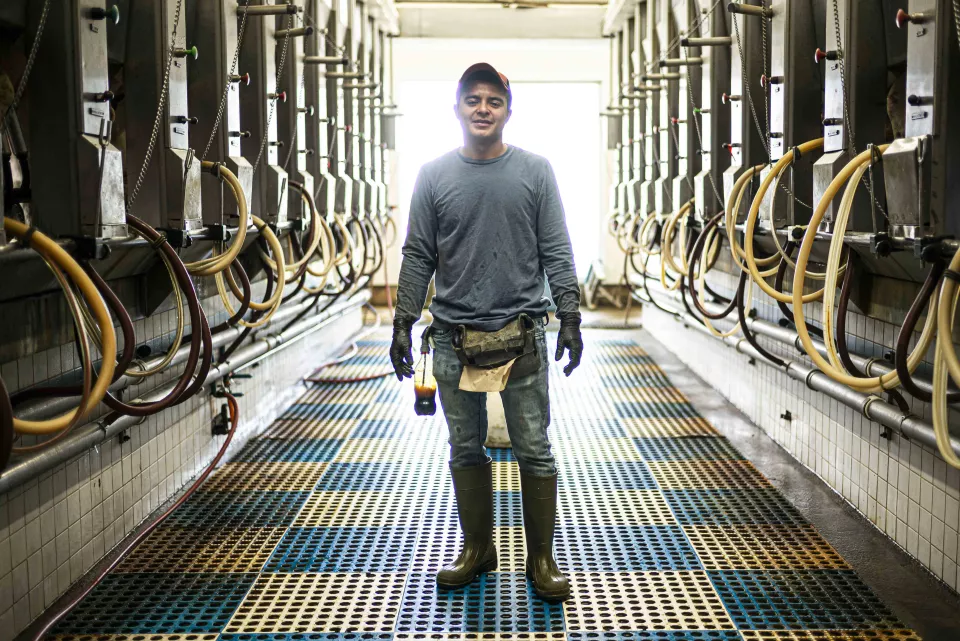
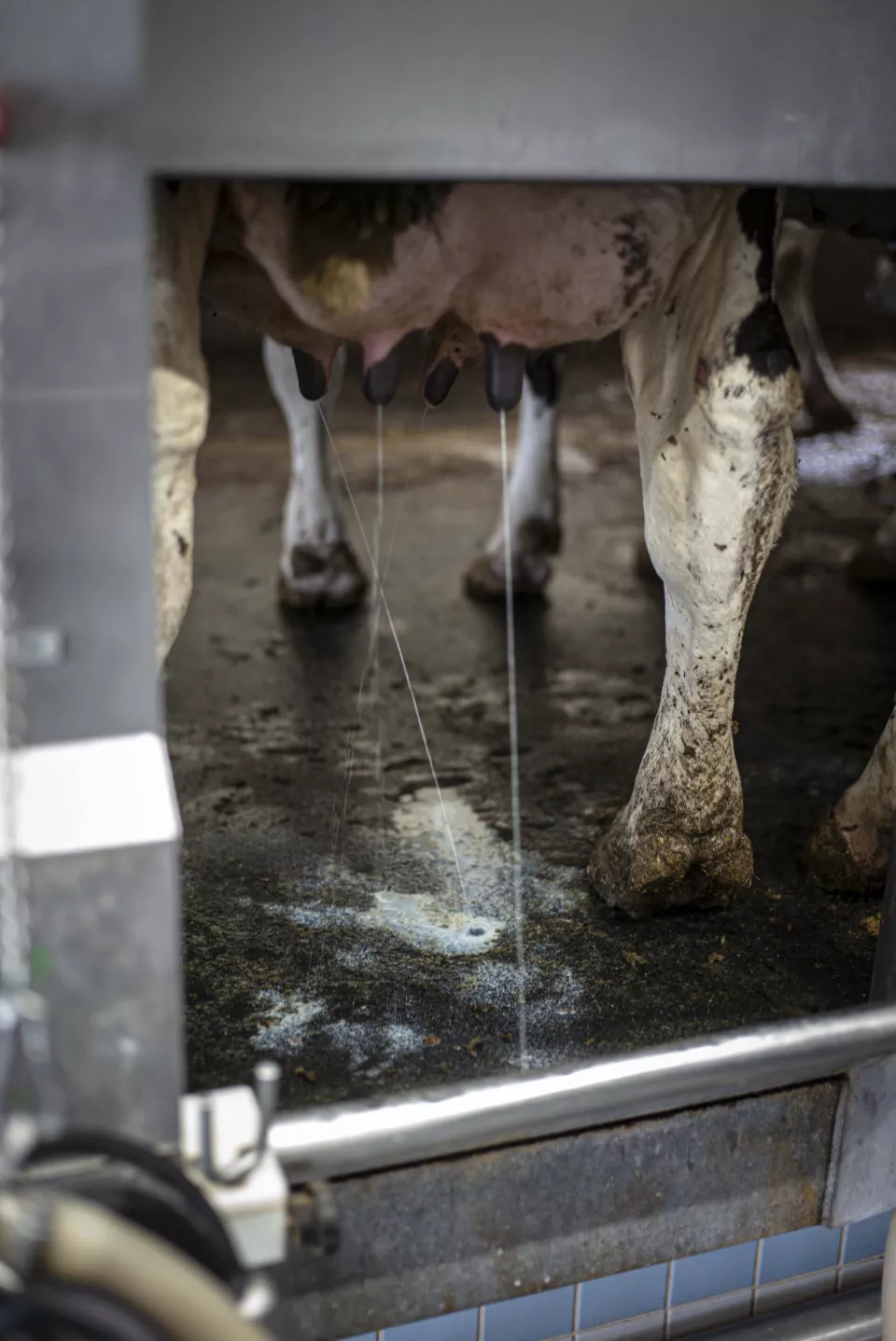
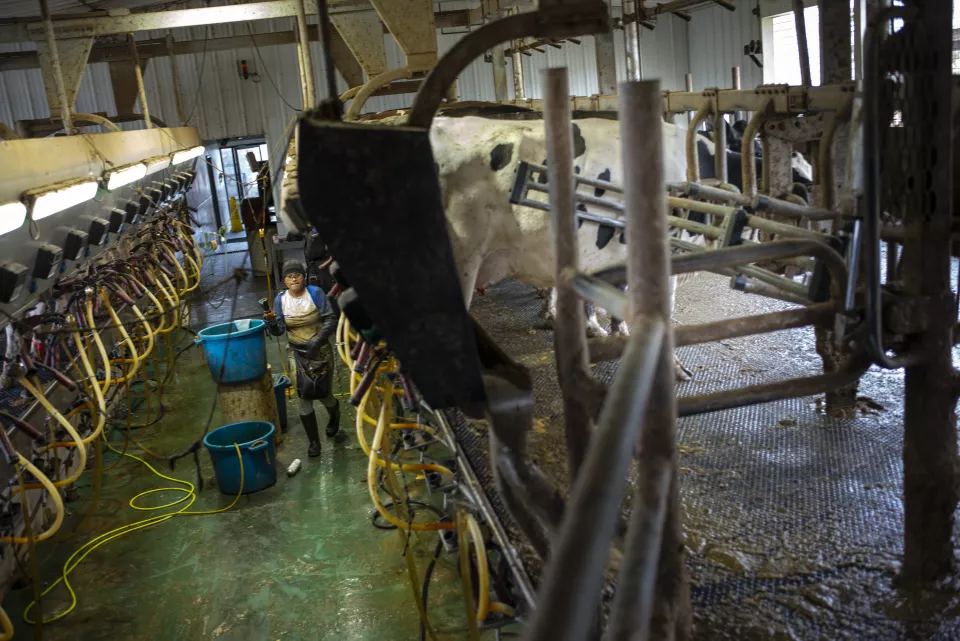
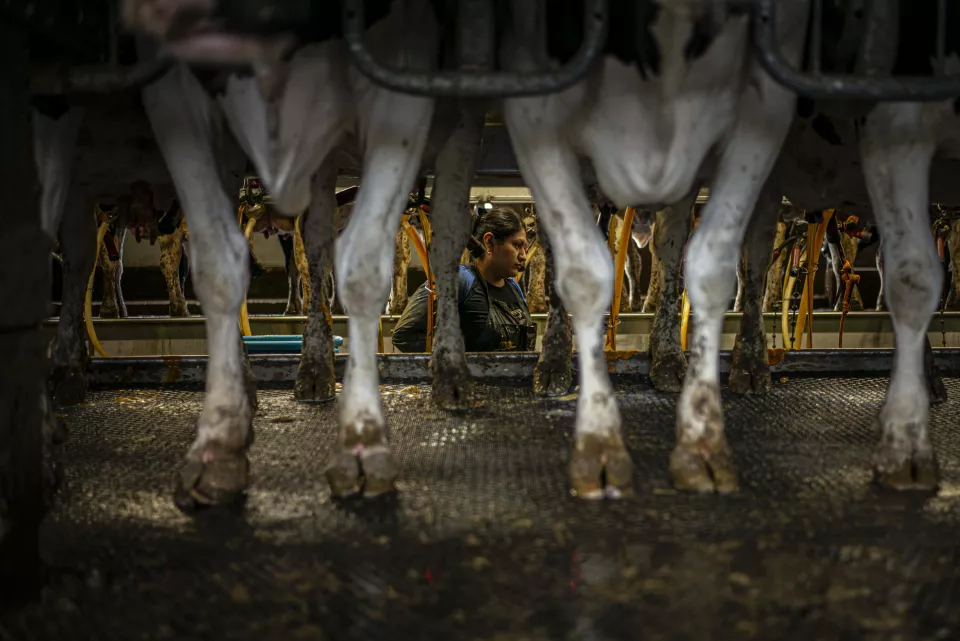
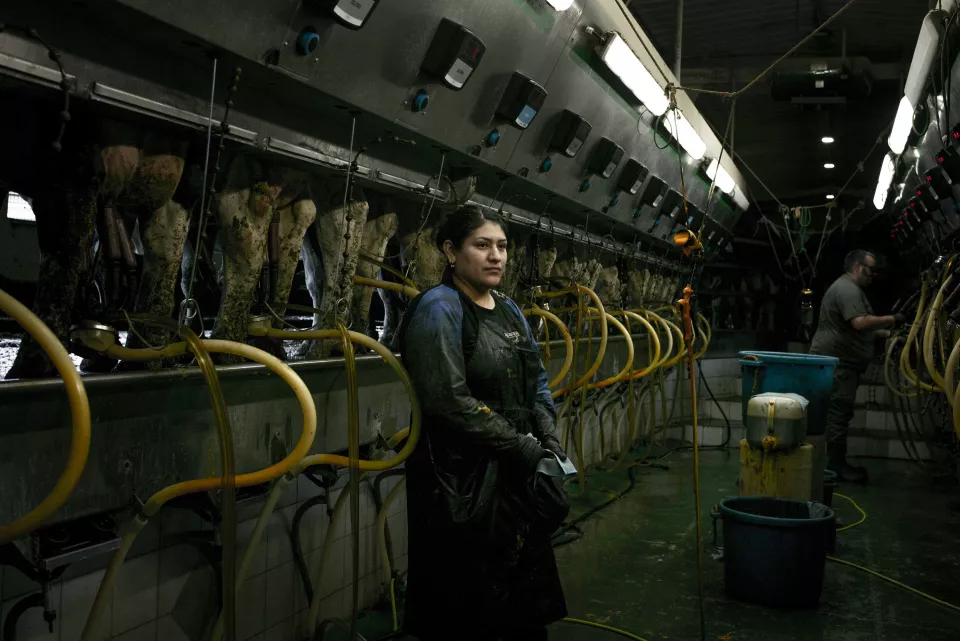
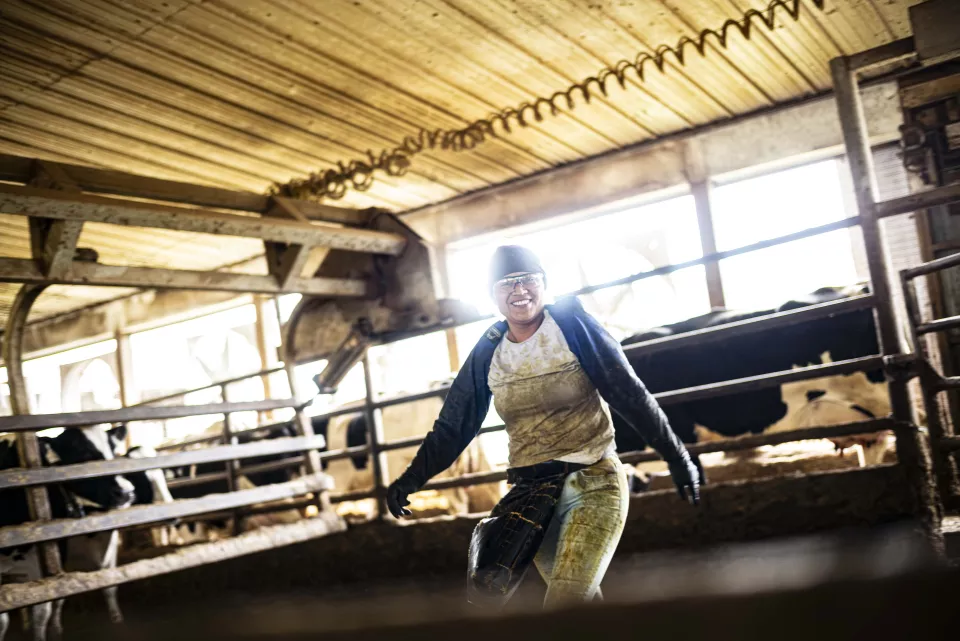
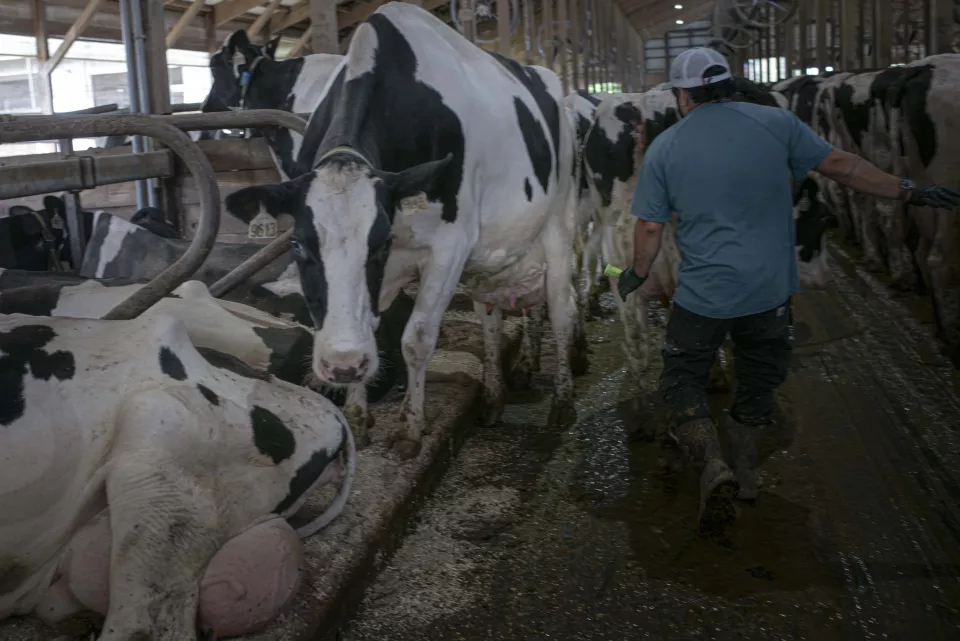
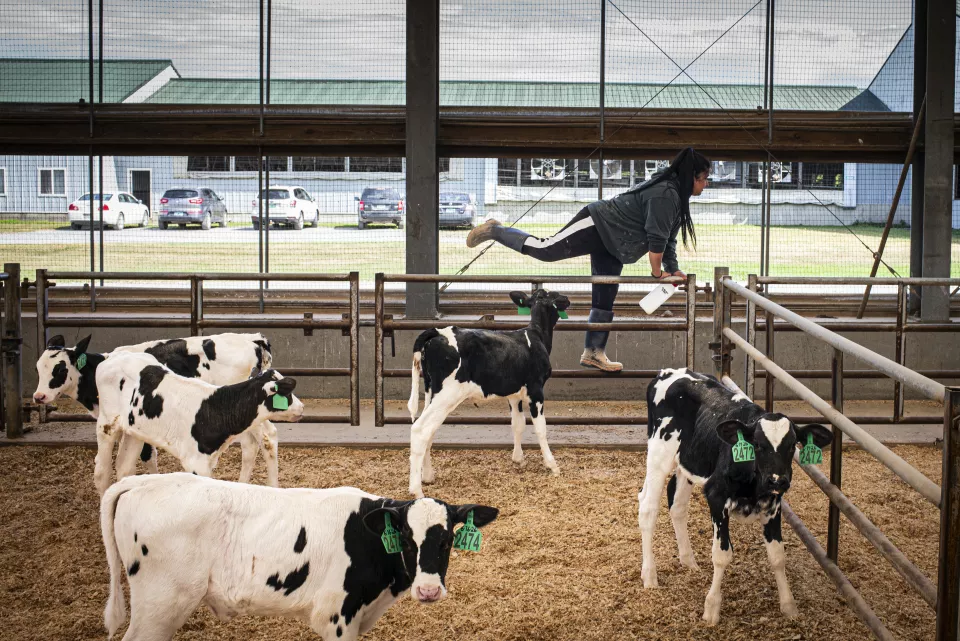
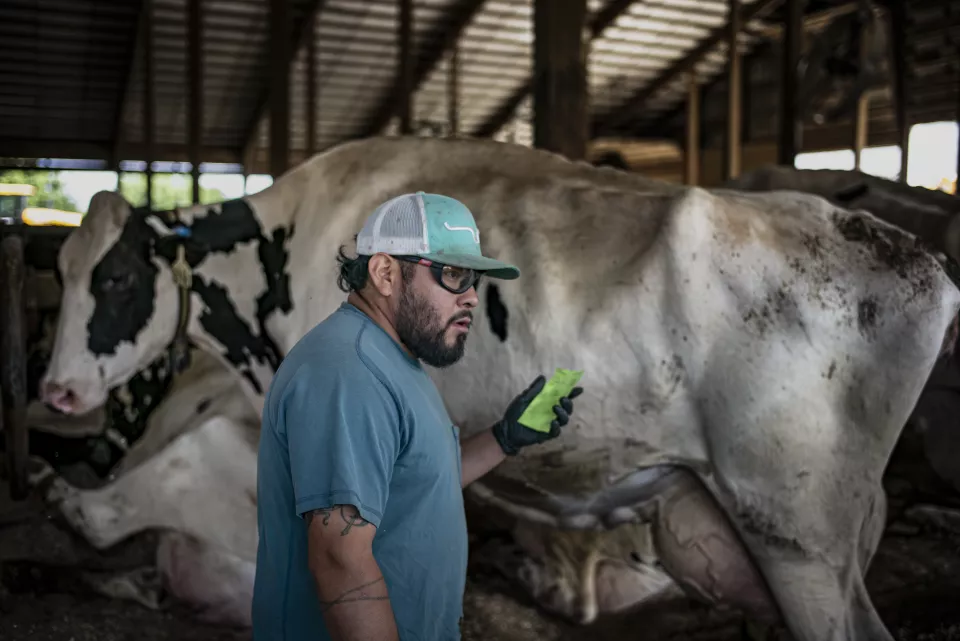
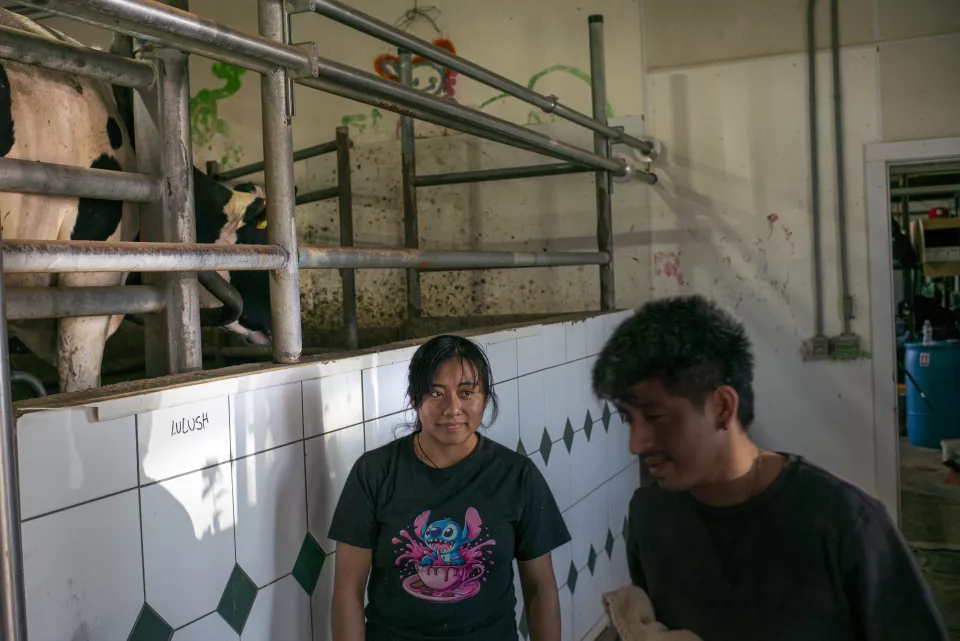
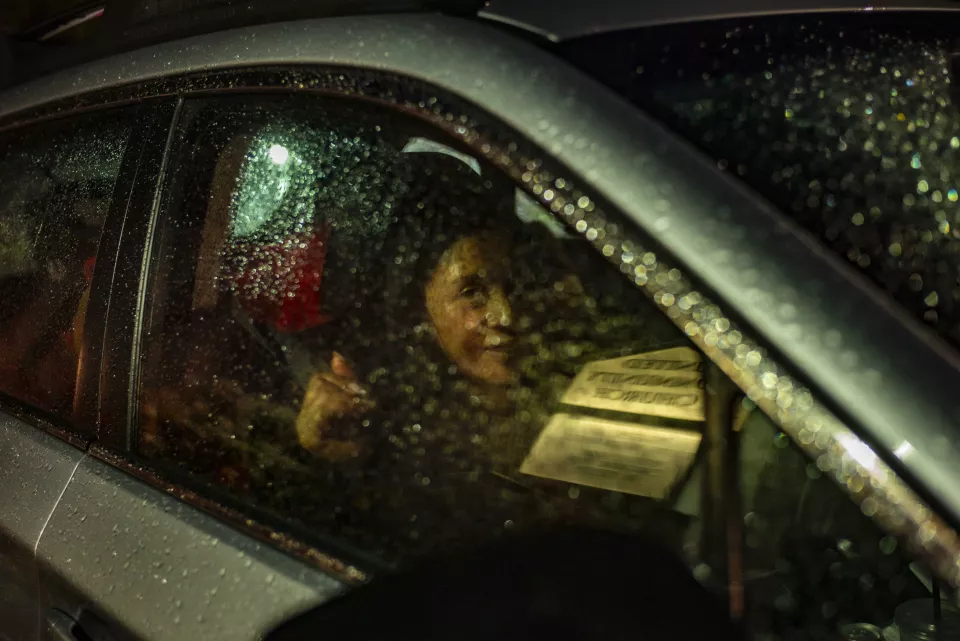
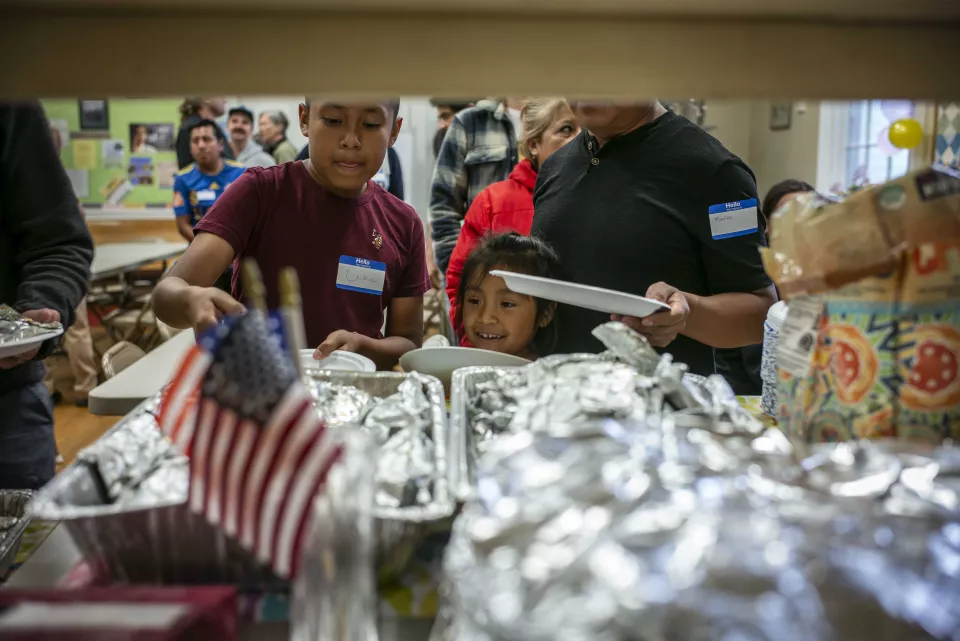
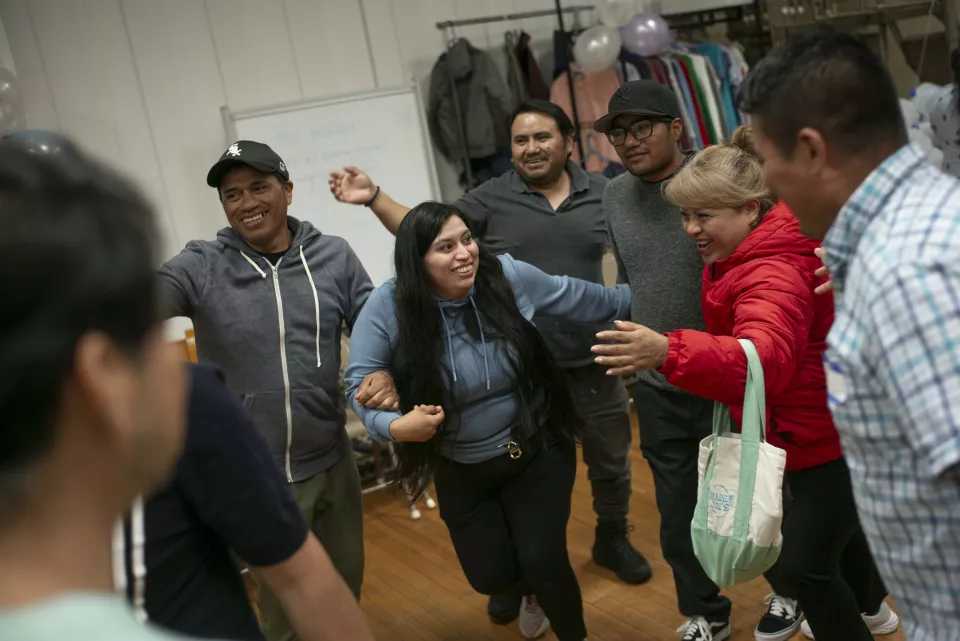
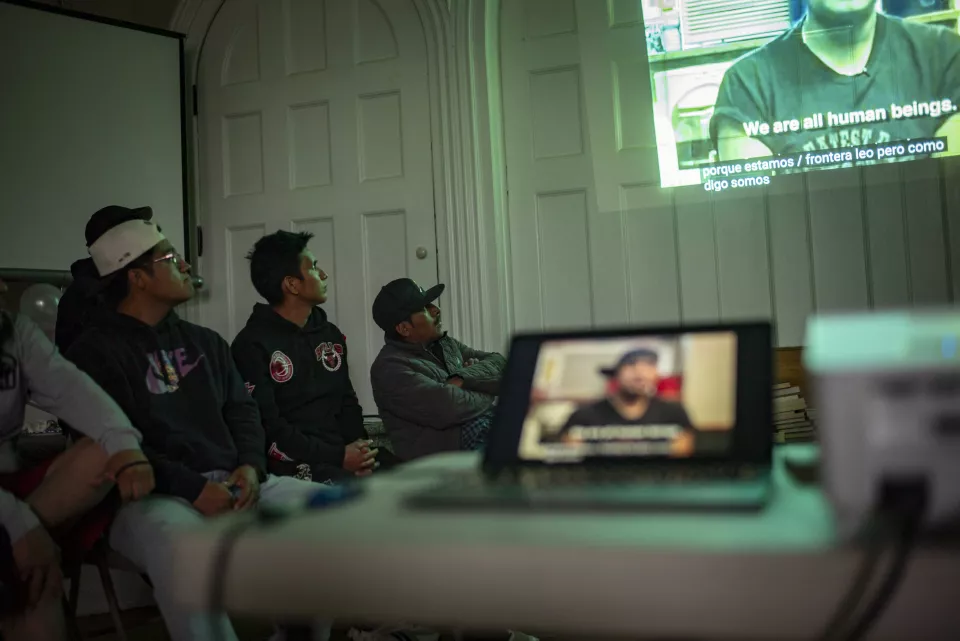
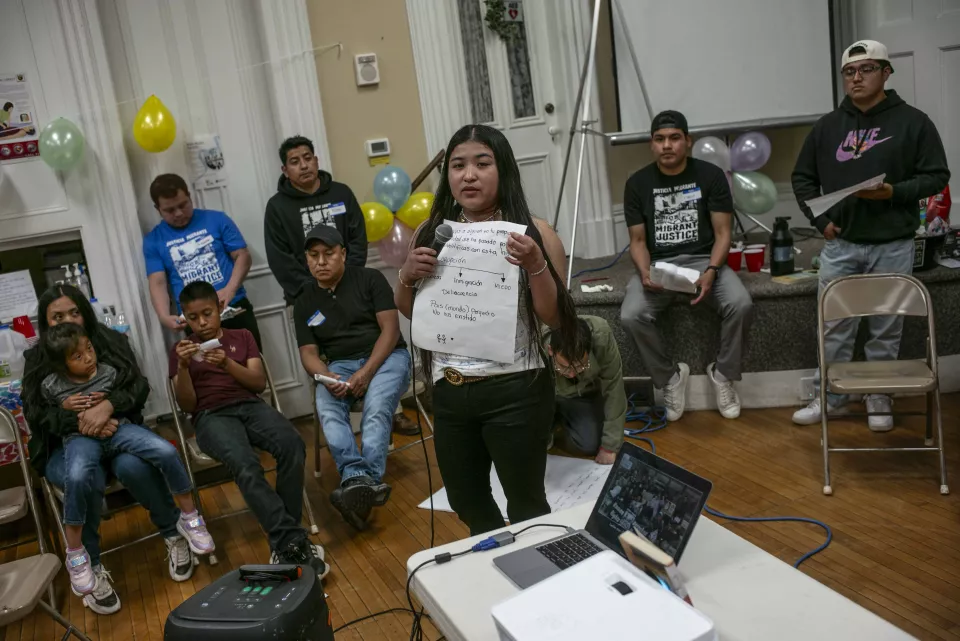
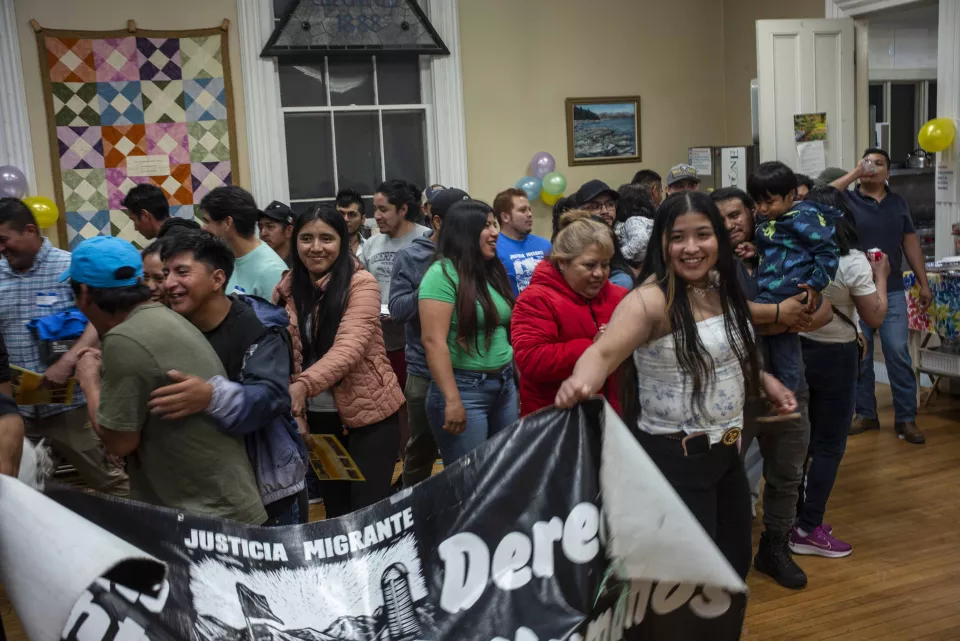
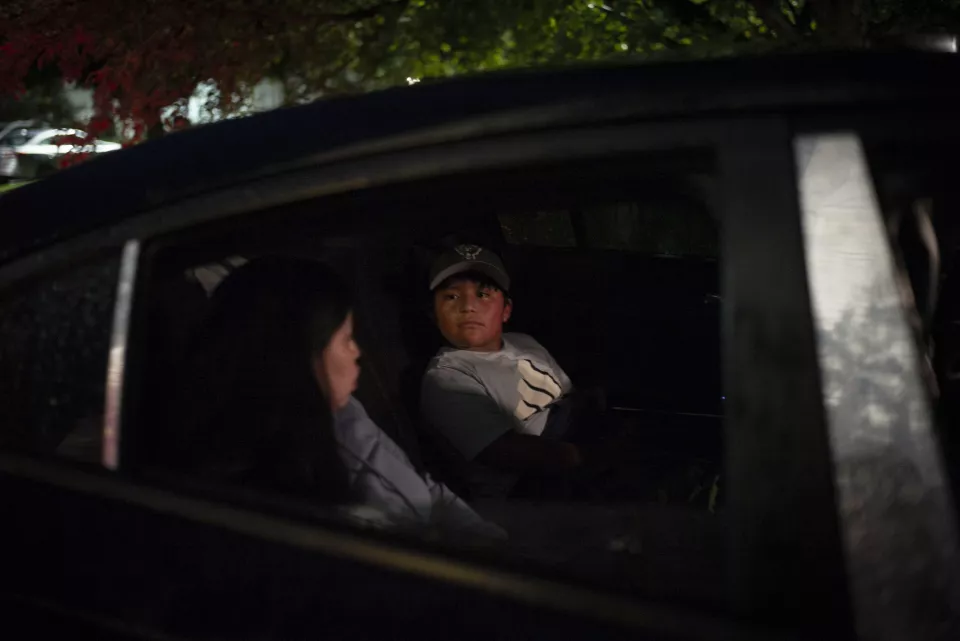
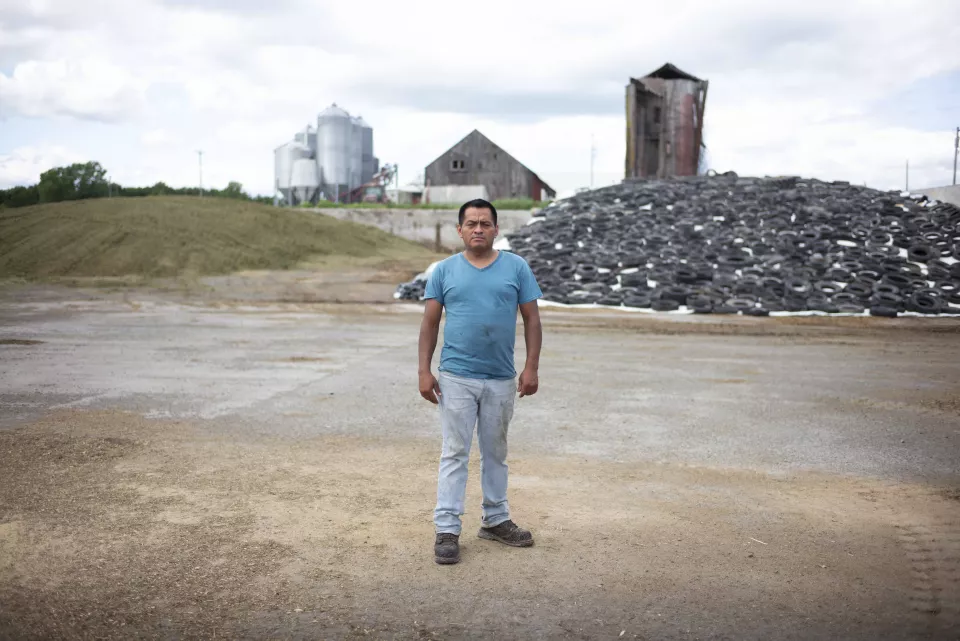
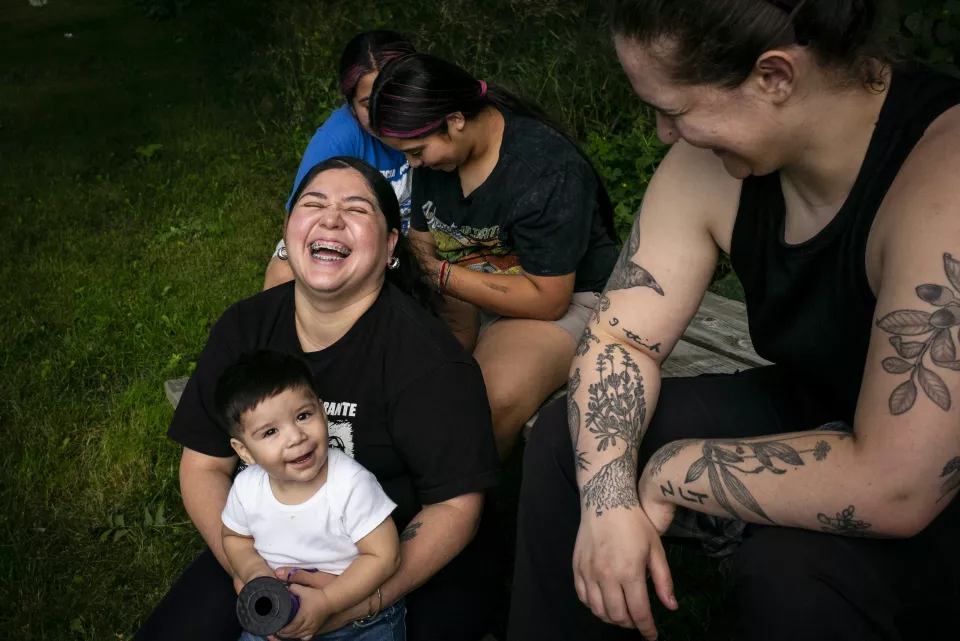
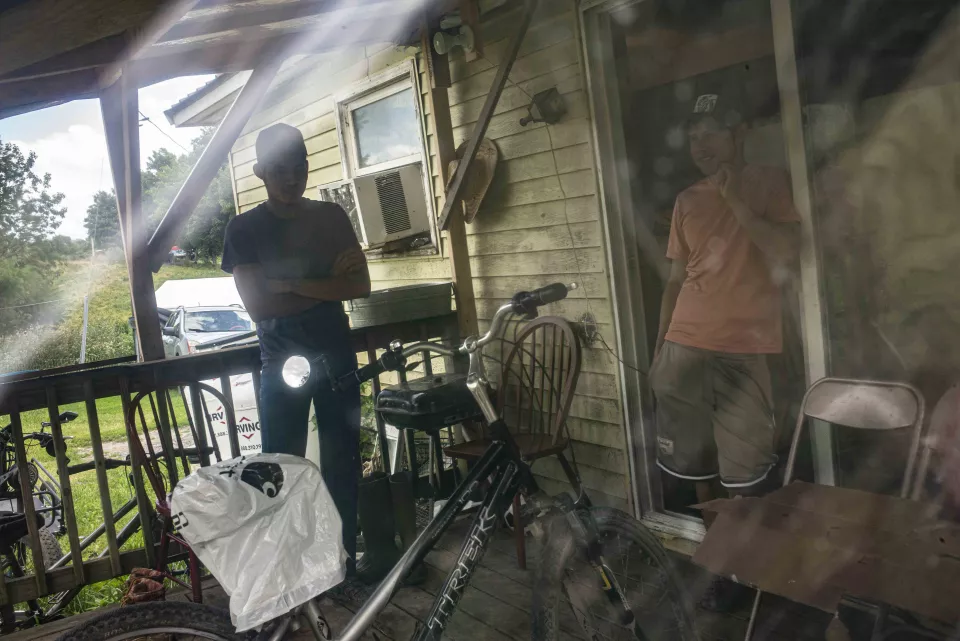
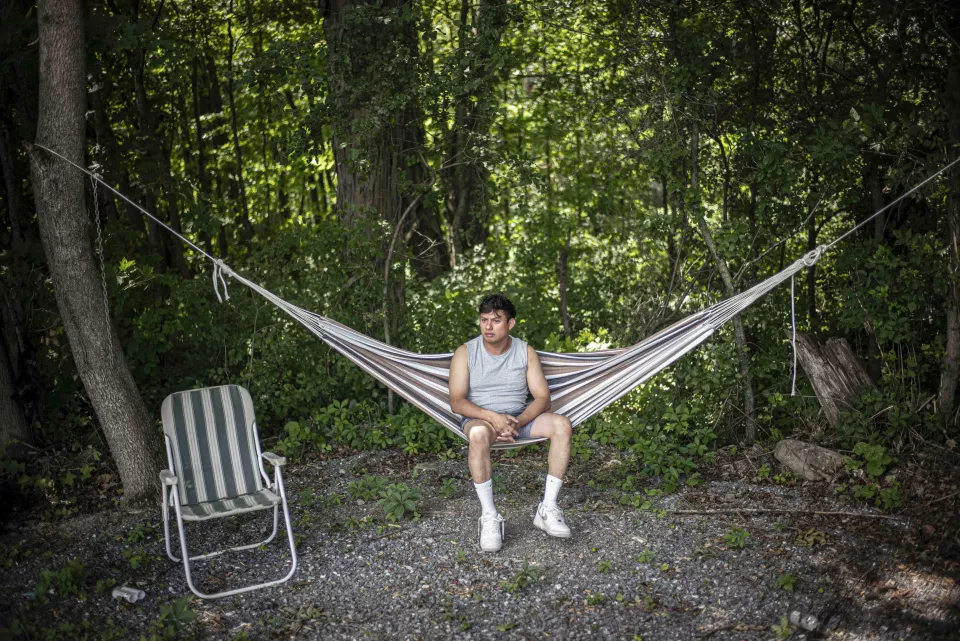
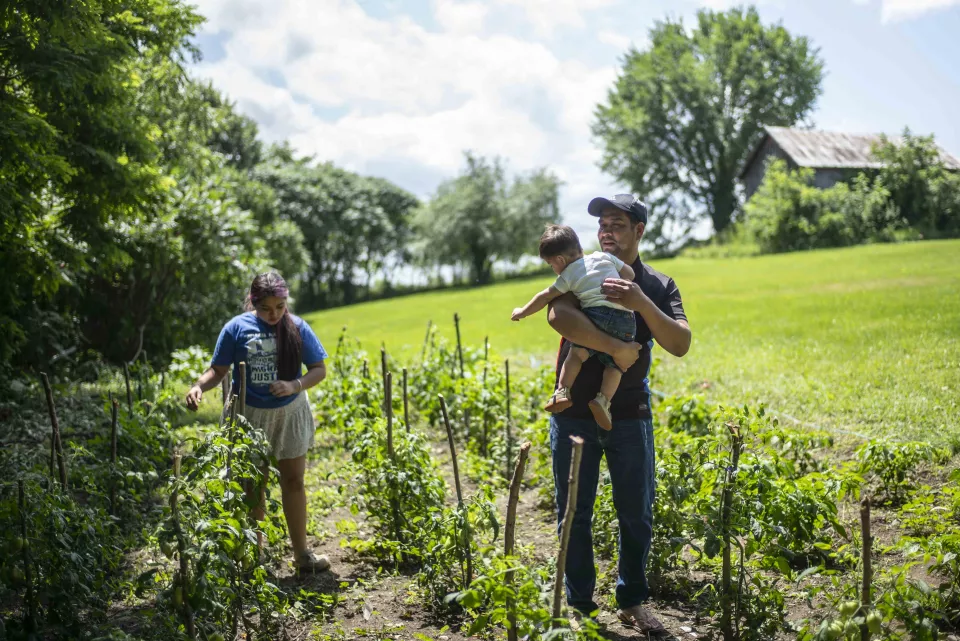
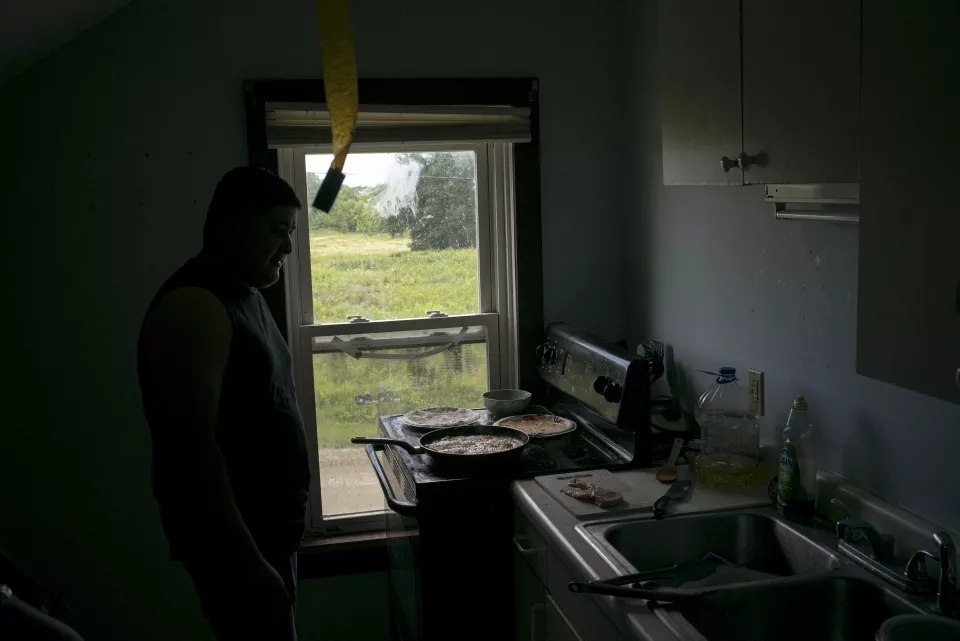
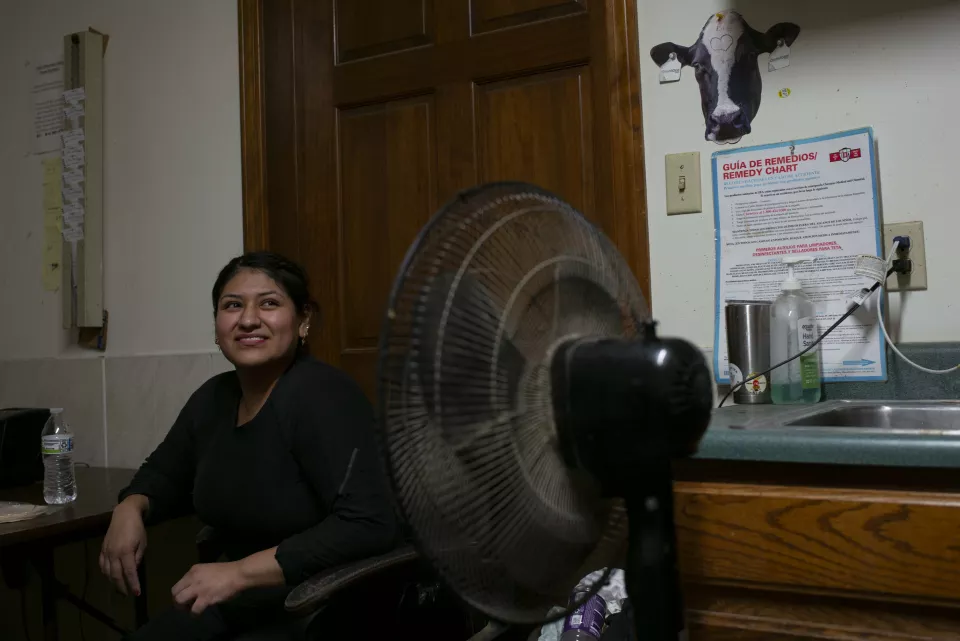
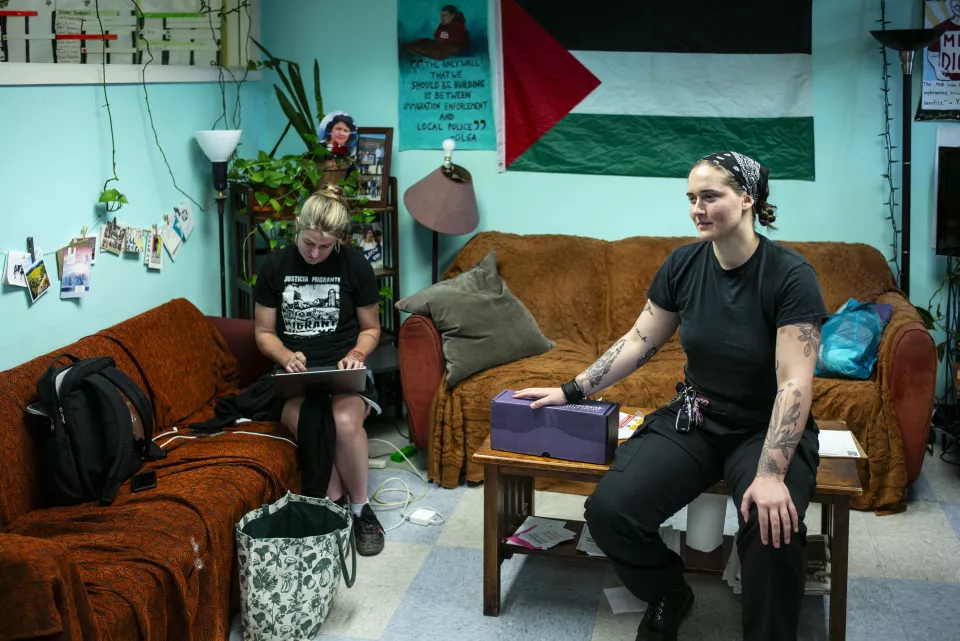
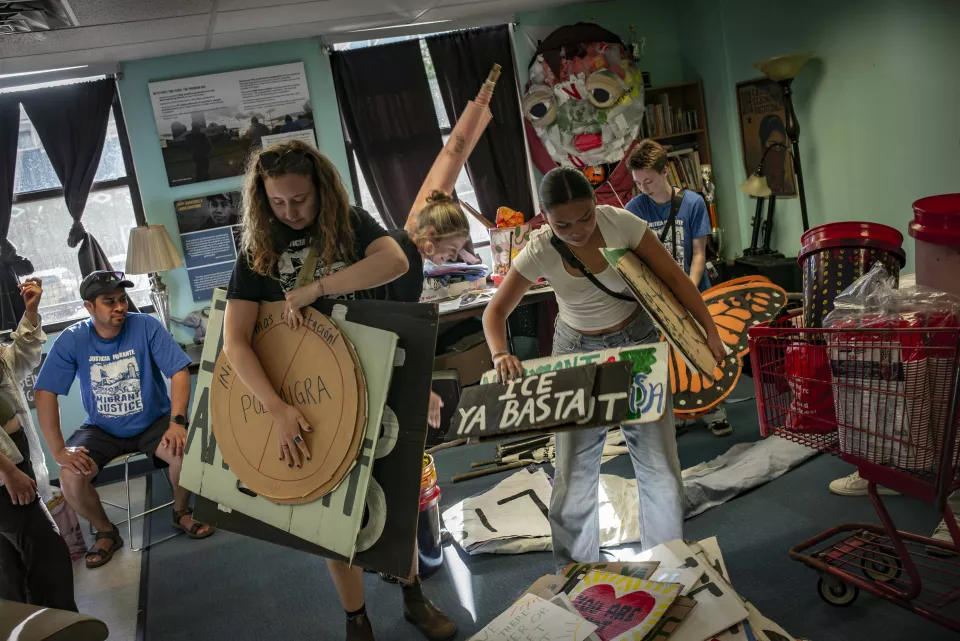
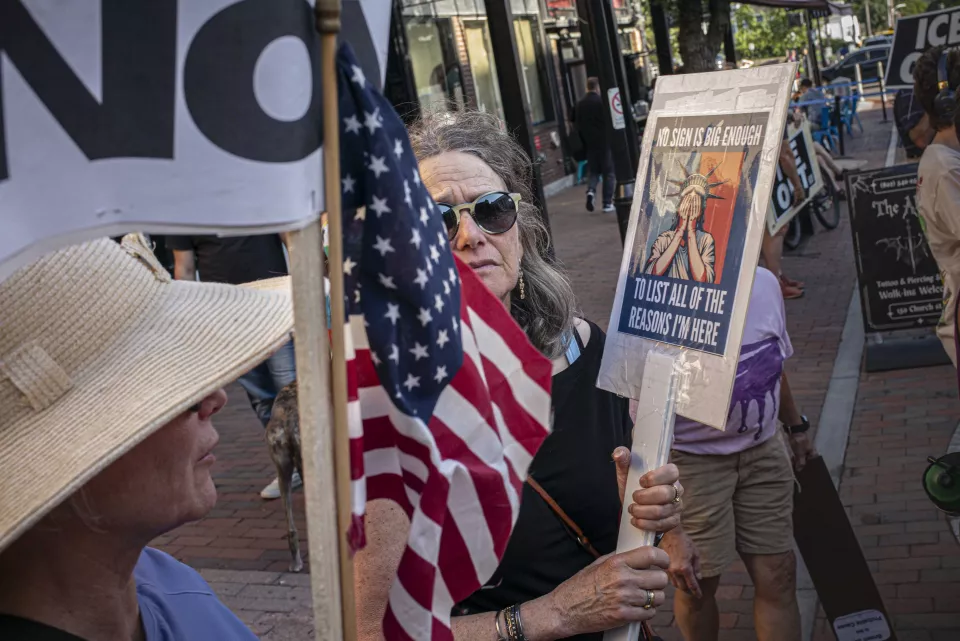
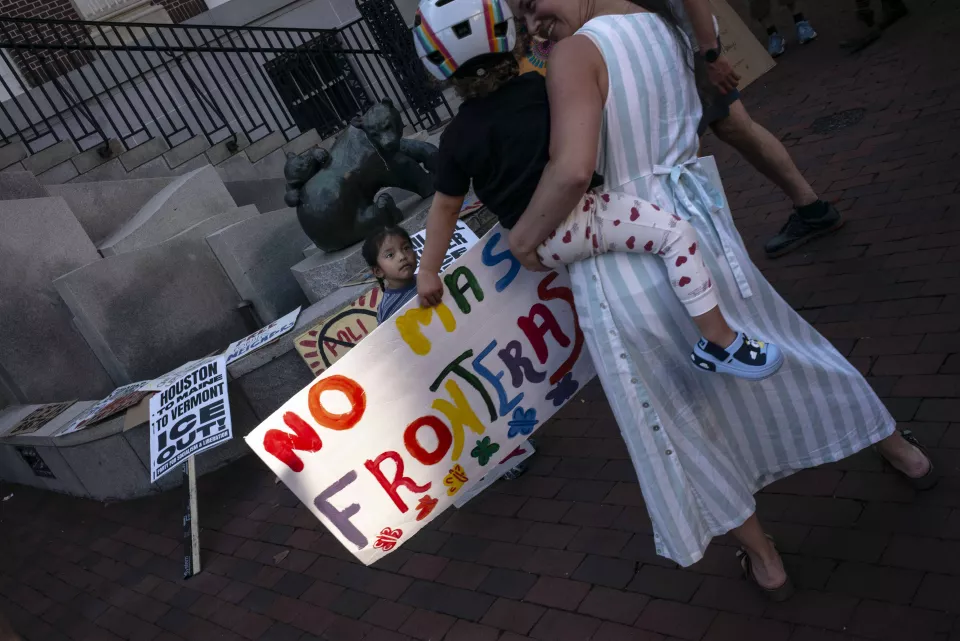
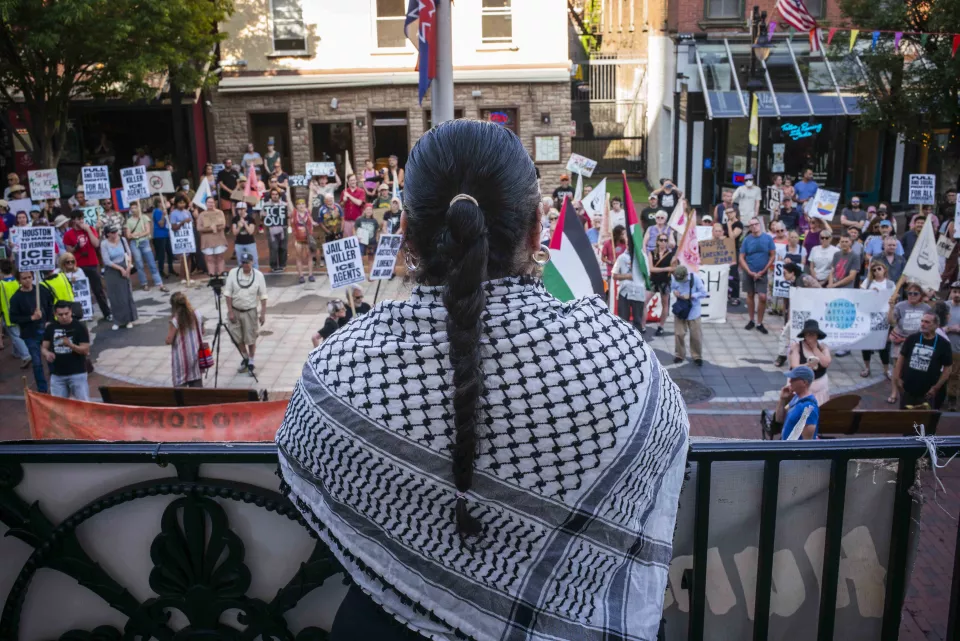
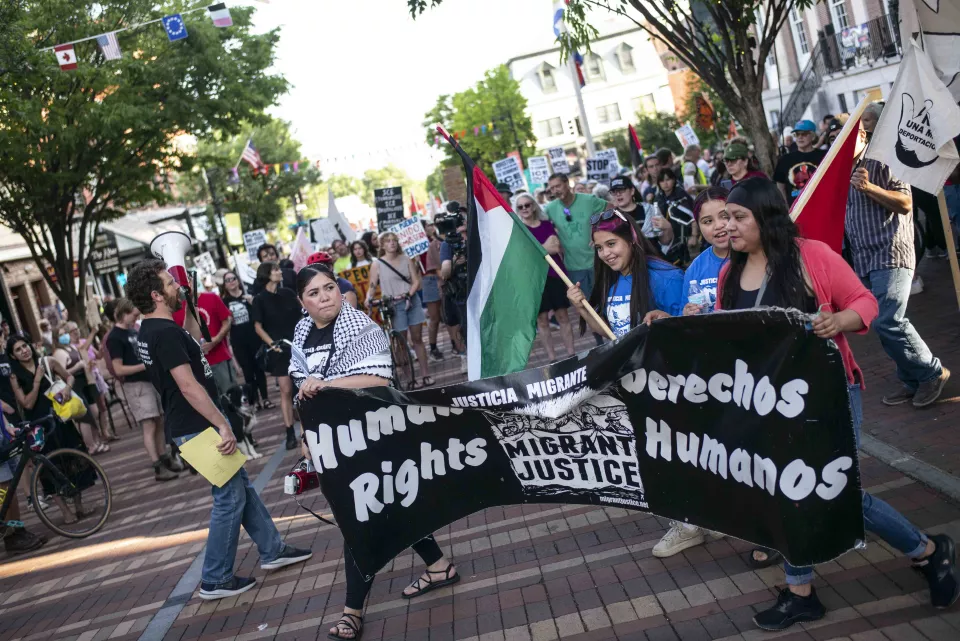
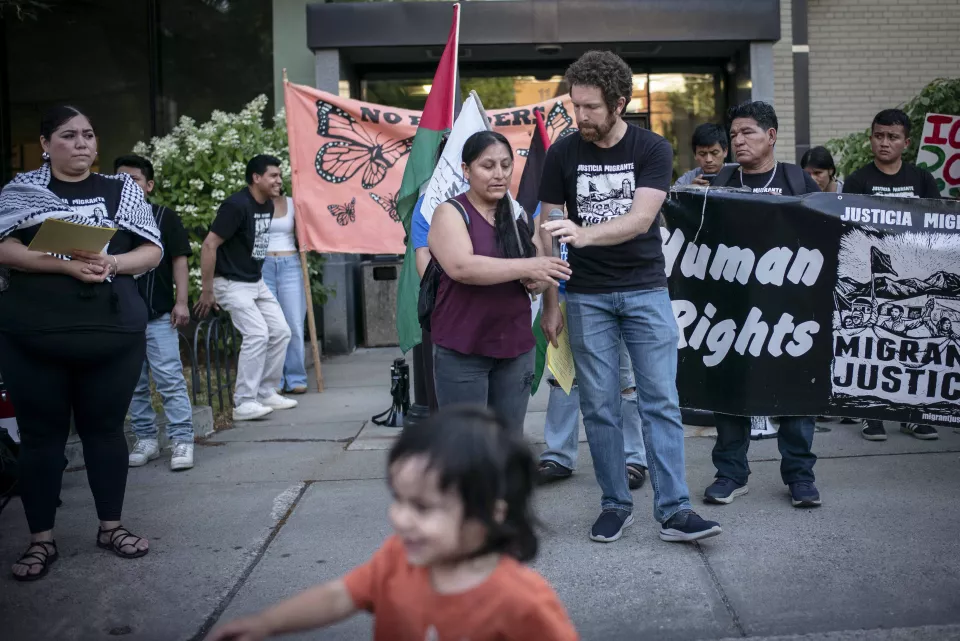
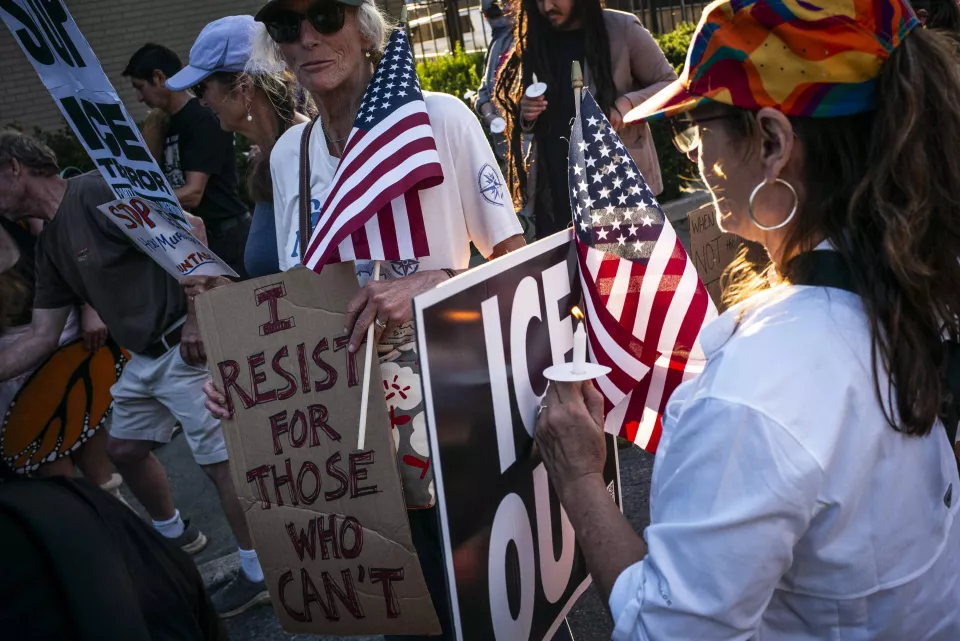
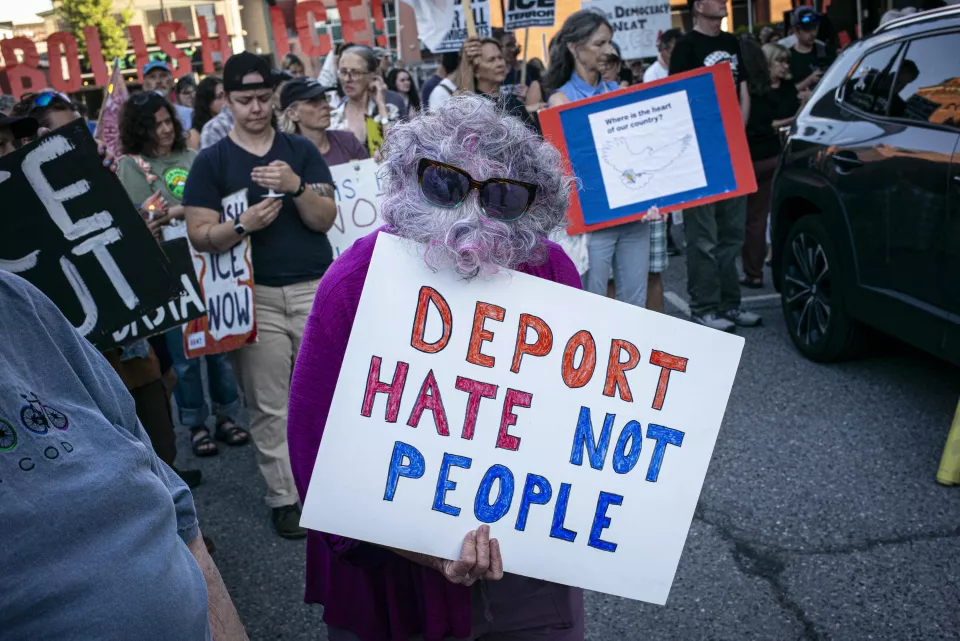
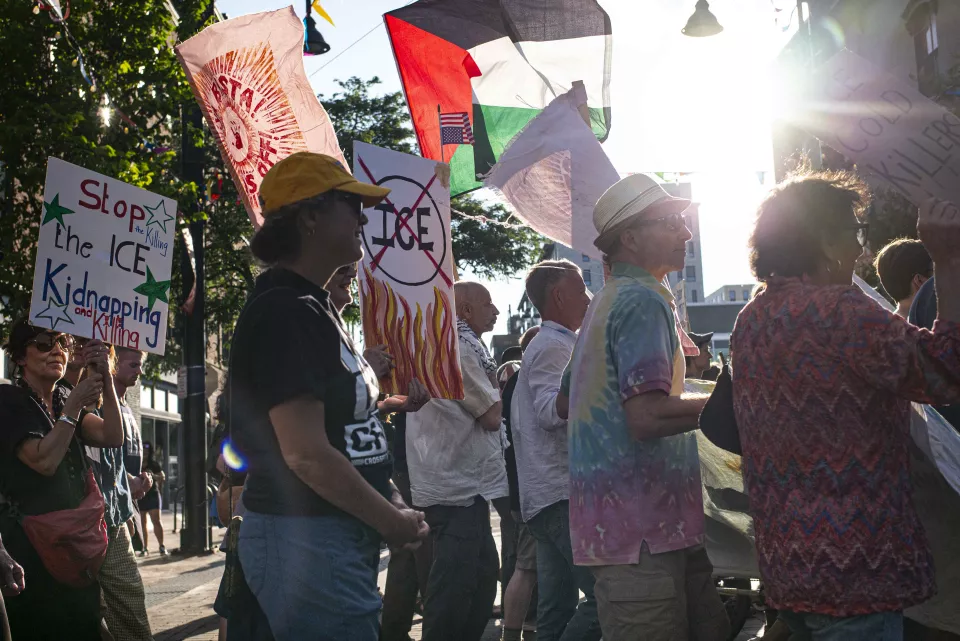
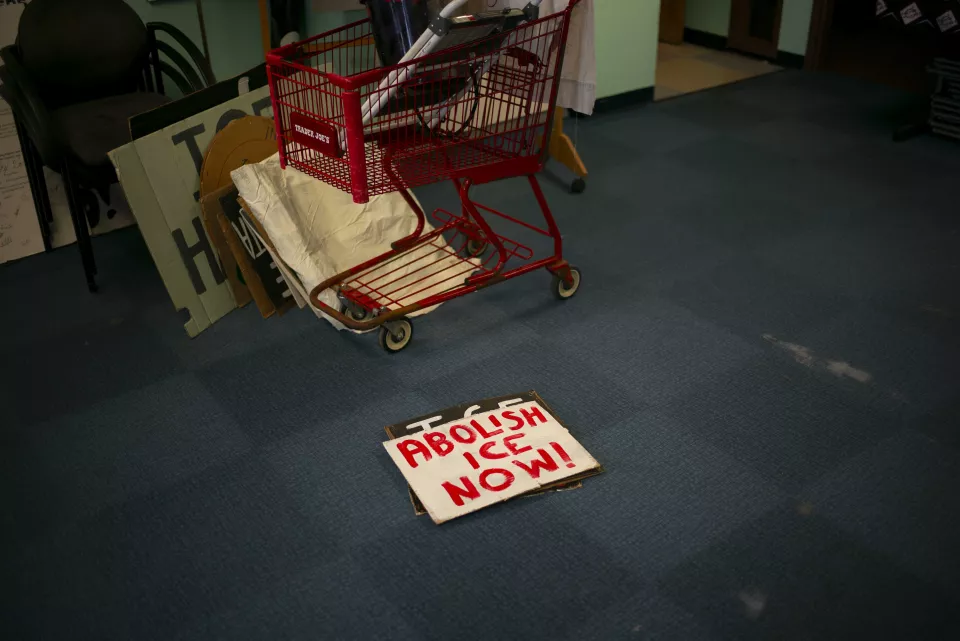
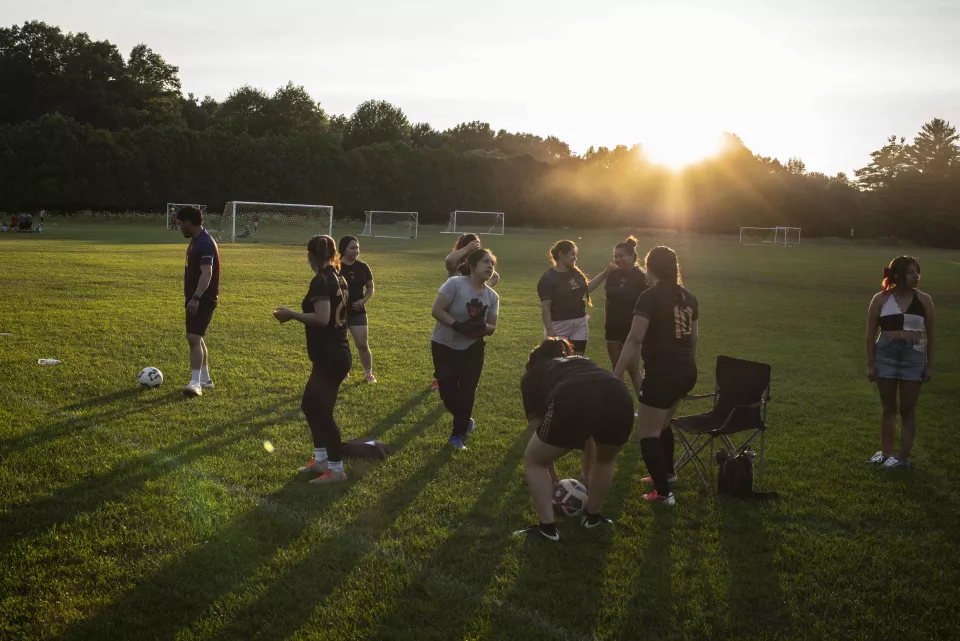
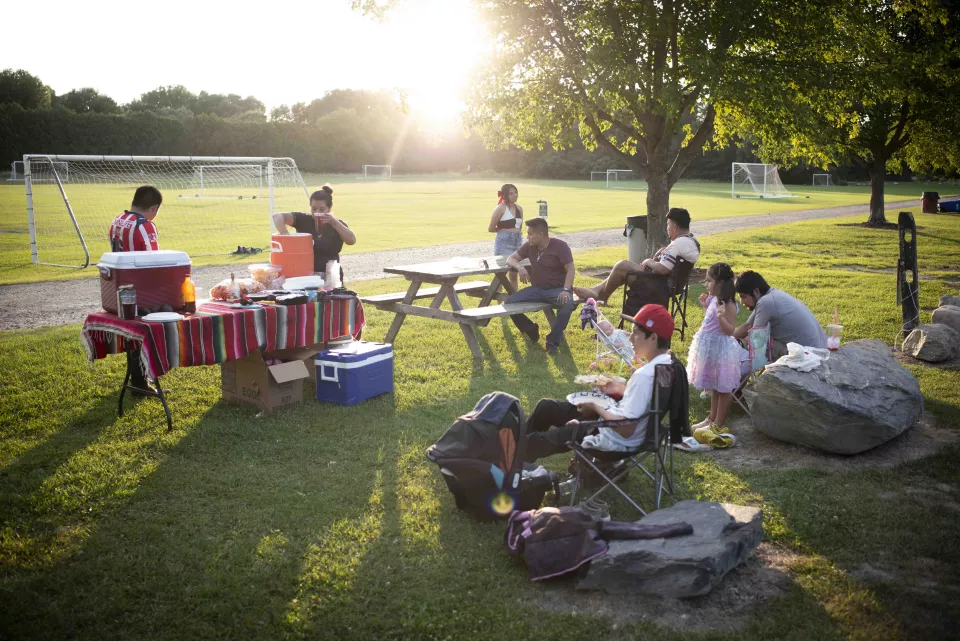
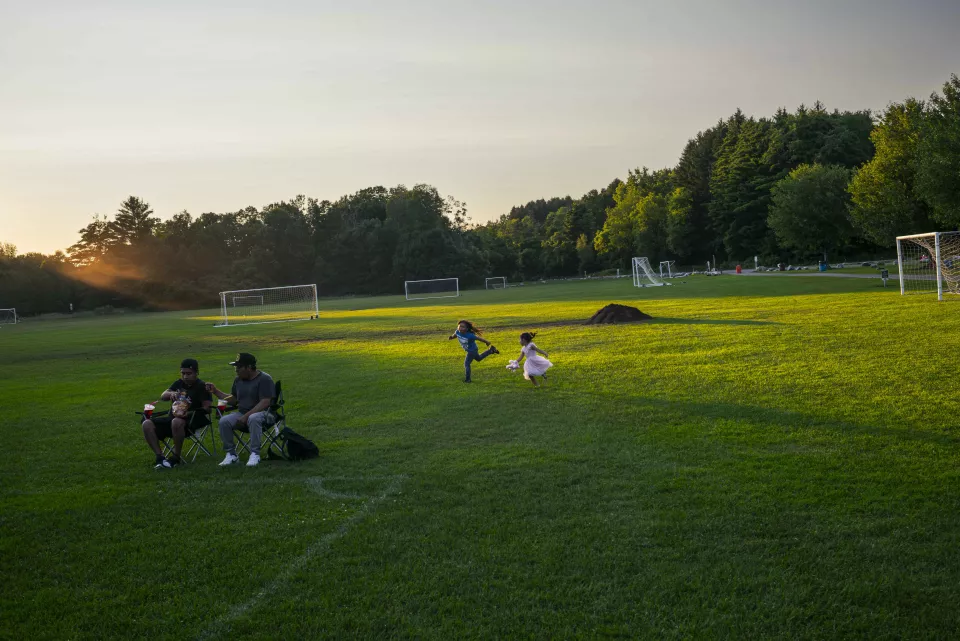
The PhotoBridge Project partnered with Migrant Justice in Vermont’s Champlain Valley to document the lives, labor, and experiences of women migrant farmworkers.What emerged was a participant-led portfolio photographed by Guillaume Binet and created with the migrant workers whose work sustains Vermont’s food system, bringing their stories and perspectives to audiences across the state and beyond.
Vermont – Migrant Justice: Voices from the Land
Vermont’s agricultural economy depends on an estimated 1,500 to 2,000 migrant farmworkers, yet their lives and contributions remain largely unseen by the wider public. Women are among the least visible, including Spanish-speaking dairy workers from Mexico and Guatemala and Jamaican seasonal orchard workers. Their essential work is often accompanied by geographic isolation and barriers related to gender, immigration status, and language.
In 2026, The PhotoBridge Project partnered with Migrant Justice to document migrant farmworkers across the Champlain Valley. The women themselves are co-authors of how they are represented: participants help determine what is photographed, review the images, and contribute their own words and reflections in Spanish and English.
The resulting portfolio documents their work, lives, and relationship with the food system they sustain. It will remain a resource for the community and Migrant Justice, providing images for organizing, advocacy, public engagement, and policy education, while bringing the women’s stories to wider audiences through exhibitions and a publicly accessible digital portfolio.
About Migrant Justice
Migrant Justice is a migrant farmworker-founded and led organization working with farmworker communities across Vermont. Through deep, long-term relationships with farmworkers and their families, the organization supports community organizing and advocacy around the issues affecting their lives and work. Its relationships with farmworker families provide the foundation for this work, ensuring that the women participating in the project have a meaningful role in deciding how their lives and stories are represented.
This project was made possible by a grant from the Vermont Women's Fund and donations received through a Global Giving appeal.